Home / Blogs / Safety Tips For Driving Near Schools
Safety Tips For Driving Near Schools
Share :
Driving near schools is a significant responsibility, requiring heightened awareness and extra caution, particularly during peak times when children are arriving at or leaving school. In the UK, traffic regulations are specifically designed to protect the most vulnerable road users; children, who may not fully understand the dangers associated with traffic. For learner drivers, developing the skills necessary to navigate these busy areas is crucial not only for passing their driving test but also for ensuring the safety of all road users.
Navigating school zones involves more than just following the speed limit; it requires an understanding of the unique challenges these environments present. Whether you’re a learner driver trying to build confidence or an experienced motorist looking to refresh your knowledge, this guide will provide you with essential tips and information. By staying informed and vigilant, you can help reduce the risks associated with driving near schools and contribute to a safer road environment for everyone.
The Importance of Safe Driving Near Schools: Regulations and Best Practices
School zones are often bustling with activity, particularly during the early morning and mid-afternoon hours. Parents dropping off or picking up their children, school buses arriving and departing, and children walking or cycling to and from school, all contribute to a busy and potentially hazardous environment. For this reason, UK traffic regulations impose specific rules and speed limits around schools to enhance safety.
Understanding these regulations is essential, as they are in place not just to protect pedestrians but to guide drivers in navigating these complex areas. For instance, reduced speed limits in school zones are strictly enforced, and failure to comply can result in severe penalties. Furthermore, special attention must be paid to pedestrian crossings, where children may suddenly appear from between parked cars or other obstructions.
It’s not just about following the law; safe driving near schools is about recognising the unique risks and taking proactive steps to implement them. This means staying alert, anticipating potential hazards, and reacting calmly and appropriately. Whether you’re a learner driver getting to grips with the basics or a seasoned driver familiar with the roads, understanding the importance of these regulations and best practices is key to ensuring everyone’s safety.
Why Is It Important To Drive Extra Safely When Driving Near Schools?
Driving safely near schools is not just about adhering to legal requirements, it’s also about ensuring the safety of children on their way to or from school. Here are five reasons why extra caution is necessary when driving in school zones:
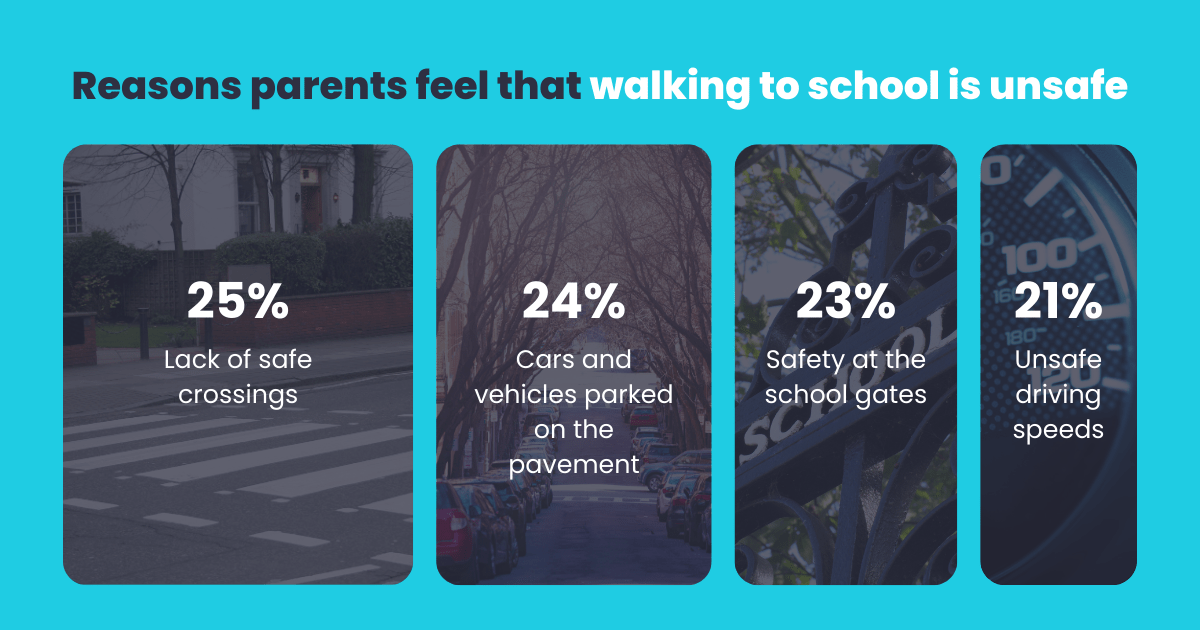
High Pedestrian Activity: Schools are often surrounded by children who may not fully grasp the dangers of the road. Children may also be distracted by friends and mobile phones increasing the possibility of movements into or near the road when not paying attention. Their unpredictable behaviour, such as running or crossing without looking, makes it imperative for drivers to stay alert.
Reduced Speed Limits: In the UK, speed limits in school zones are typically reduced to 20 mph. These limits are designed to minimise the risk of accidents and to ensure that drivers have enough time to react to sudden movements.
Increased Vulnerability of Children: Children are more susceptible to serious injuries in road accidents due to their smaller size and developing physical abilities. Young children may also struggle to judge vehicle speed and distance accurately, further increasing their risk. Even a minor collision can have severe consequences, making it crucial to drive cautiously.
Congested Roads During Peak Times: The roads around schools can become highly congested during school drop-off and pick-up times. This congestion can lead to impatient driving, increased risks of accidents, and the potential for failing to spot pedestrians. Poorly parked vehicles can also obstruct sightlines, making it harder to see children attempting to cross the road.
Legal Consequences: Failing to comply with school zone regulations can result in significant penalties, including fines, penalty points on your driving licence, or even a driving ban. The legal implications underscore the importance of adhering to these safety measures.
UK Legislation and Official Guidance for Driving Near Schools
UK road safety around schools is supported by clear legislative frameworks and official guidance you can reference for legal context and credibility. The Highway Code (which carries legal weight when rules are broken and can be used in court to establish liability) specifically instructs drivers to “drive slowly and be particularly aware of young cyclists and pedestrians near schools,” and highlights obligations such as stopping when a school crossing patrol displays a stop sign.
Under the Road Traffic Regulation Act 1984, local authorities can introduce Traffic Regulation Orders (TROs) that establish measures such as reduced speed limits and School Streets, where traffic is restricted at peak drop-off and pick-up times to enhance child safety.
These official rules and orders help ensure that reduced speeds, crossing patrols, and other traffic measures around schools are not just best practices but are supported by enforceable legal frameworks.
5 Safety Tips For Driving Near Schools
To ensure pedestrian safety and to comply with driving regulations near schools, here are five essential safety tips:
1. Observe Speed Limits and Road Signs
Always adhere to the reduced speed limits in school zones, which are usually 20 mph in the UK. Speed limits are strictly enforced in these areas to protect children and other vulnerable road users. Additionally, be vigilant for road signs that indicate the presence of a school, pedestrian crossings, and parking restrictions. These signs are designed to guide drivers safely through potentially hazardous areas. Pay attention to electronic or time-based signs, as speed limits may only apply during certain hours of the school day.
2. Be Extra Cautious at Pedestrian Crossings
Pedestrian crossings near schools are heavily used, especially during the start and end of the school day. Remember that children may not always wait for the green signal or patrol instruction before stepping onto the crossing. Slow down as you approach crossings and be prepared to stop even if no pedestrians are immediately visible. Children may suddenly appear from between parked cars or other obstacles. Additionally, always give way to pedestrians waiting to cross or already crossing the road.
3. Minimise Distractions While Driving
Distractions, such as mobile phones, eating, or adjusting the radio, can significantly impair your ability to react quickly to unexpected situations. When driving near schools, it’s crucial to remain focused on the road. Even a momentary lapse in concentration could lead to dangerous consequences, particularly in an environment where children may behave unpredictably.
4. Respect and Respond to School Patrol Officers
School patrol officers, commonly known as lollipop men and women in the UK, play a vital role in helping children cross the road safely. These officers are trained to manage traffic and ensure that children can cross the road without risk. Always stop when instructed by a patrol officer, and never attempt to overtake other vehicles near a school crossing. Failing to stop for a school crossing patrol is a serious offence and can result in prosecution. Patience and compliance in these situations are essential for maintaining safety.
5. Anticipate and React to Sudden Hazards
When driving near schools, it’s important to anticipate potential hazards and react calmly. Children may dart out into the road unexpectedly, and other drivers may stop suddenly to drop off passengers. Keep a safe distance from the vehicle in front of you and avoid aggressive driving behaviours such as tailgating or honking. Defensive driving is especially important in school environments, where hazards can develop quickly. By maintaining a cautious approach, you can reduce the likelihood of accidents and ensure that everyone remains safe.
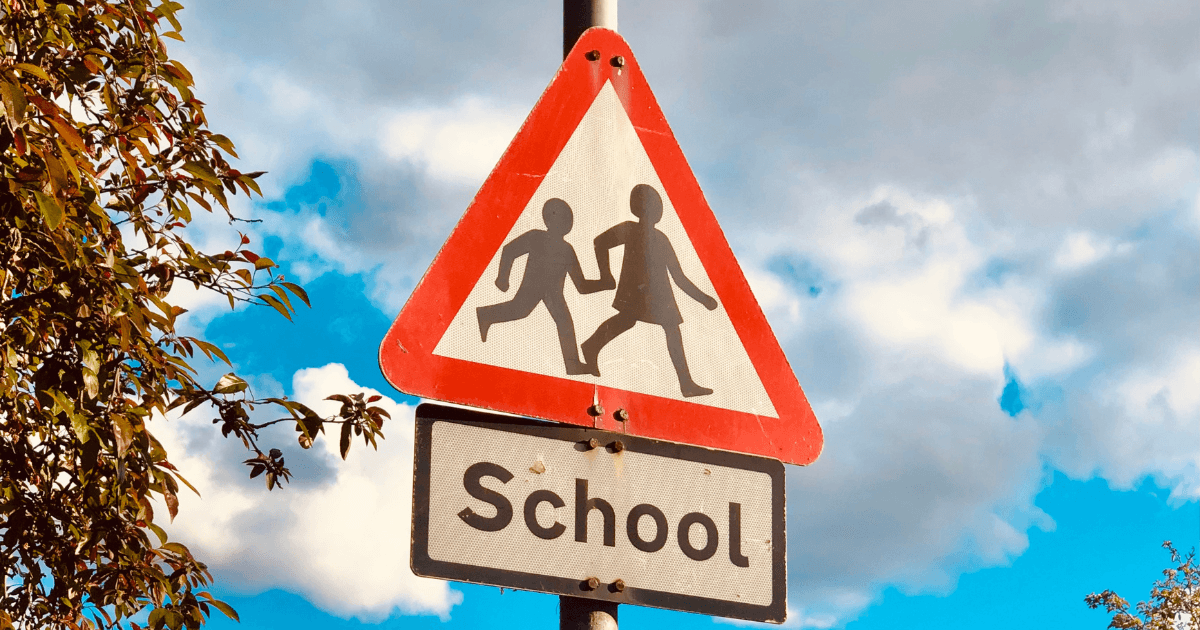
You may encounter warning signs showing children crossing, zig-zag road markings outside school entrances, and flashing amber lights that indicate when restrictions are in force. Ignoring these signs can significantly increase the risk of accidents and lead to penalties.
How School Streets and Temporary Closures Work
Many UK schools now operate ‘School Streets’, where roads are temporarily closed to through traffic during drop-off and pick-up times. These schemes aim to reduce congestion and improve air quality around schools.
Drivers should:
Check signage for restricted access times
Avoid using the road as a shortcut during operational hours
Follow diversion routes where provided
Stopping Distances at School Zone Speeds
Reduced speed limits near schools are designed to shorten stopping distances and prevent serious injuries. The table below highlights why driving at 20 mph makes a significant difference.
Sign up today for exclusive offers, practical guidance, driving tips, and more!
Conclusion
Driving near schools requires more than just the basic skills of operating a vehicle; it demands heightened vigilance, a thorough understanding of traffic regulations, and a commitment to protecting the most vulnerable members of our community. By adhering to the safety tips and legal requirements outlined in this blog, you can make a significant difference in ensuring the safety of children, parents, and fellow road users in school zones.
As a driver, whether you’re still learning or have years of experience, your actions behind the wheel have a direct impact on the safety of others. The extra caution you take in school zones not only helps to prevent accidents but also sets a positive example for other drivers, particularly those who are still developing their driving skills.
In summary, safe driving near schools is a responsibility that everyone must take seriously. By following the guidelines and remaining alert to the unique challenges these environments present, you can help create a safer road environment for everyone. Remember, the safety of our children and communities depends on our collective commitment to driving responsibly.
FAQs
Commonly asked questions about driving near schools
If you encounter heavy traffic near a school, it’s important to remain patient and avoid aggressive driving behaviours. Allow extra time for your journey, maintain a safe following distance, and be prepared for sudden stops. Consider alternative routes, if possible, but always prioritise safety over speed.
If a child suddenly steps onto the road, immediately reduce your speed and be prepared to stop. Avoid swerving, as this could cause a collision with oncoming traffic or pedestrians. Always remain calm and alert, particularly in areas where children are likely to be present.
Yes, during school drop-off and pick-up times, traffic can become highly congested. Drivers should be extra cautious, avoid stopping in no-parking zones, and be mindful of children crossing the road. Patience and adherence to all posted signs are crucial during these busy periods.
Overtaking a stationary vehicle near a school is risky, especially if it’s unclear why the vehicle has stopped. It could be waiting for a pedestrian to cross, and overtaking might endanger them. Always exercise caution and avoid overtaking unless you have a clear view of the road ahead and are certain it’s safe to proceed.
Speeding in a school zone can result in severe penalties, including fines, penalty points on your driving licence, and even disqualification from driving. More importantly, speeding endangers the lives of children and other pedestrians. Always adhere to the speed limits and drive with caution near schools.
Learner drivers are subject to the same laws as full licence holders. Offences in school zones can have potential long-term consequences for insurance costs and future driving records.
Do not attempt to manoeuvre around them aggressively. Slow down, remain alert for pedestrians, and report persistent issues to the local council if necessary.