Home / Blogs / Dual Carriageways and Single Lanes: What You Need to Know
Dual Carriageways and Single Lanes: What You Need to Know
Share :
Understanding the difference between dual carriageways and single-lane roads is essential for anyone driving in the UK. Whether you are learning to drive, a newly qualified driver, or simply brushing up on your driving knowledge, knowing how to navigate these roads is essential. These road types come with different rules, layouts, and speed limits, and knowing how they work can make driving safer, smoother, and potentially less stressful.
In this guide, we will explain what dual carriageways and single lanes are, how they differ, and the key rules you need to follow on each. We will also answer common questions, including whether learner drivers are allowed on dual carriageways and what speed limits apply.
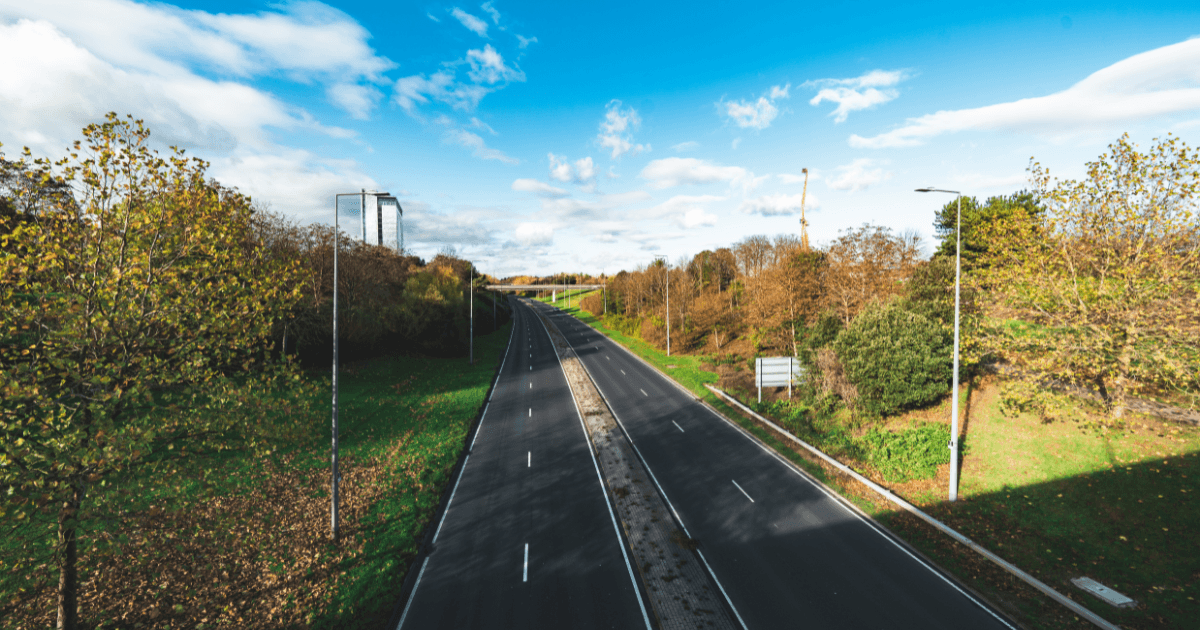
A common misconception is that dual carriageways are defined by having two lanes, but this is not always the case. Even a road with one lane in each direction can still be classed as a dual carriageway if there is a central reservation separating traffic. In the UK, dual carriageways are generally designed to support higher-speed traffic and reduce the risk of head-on collisions, making them an important part of the road network.
Rules and Guidance for Driving on Dual Carriageways
Dual carriageways come with specific rules that all drivers must follow. While they may feel similar to motorways, they are not the same and the rules differ in key ways.
Dual carriageways often include roundabouts, slip roads, and crossroads. Drivers must be alert to traffic joining or leaving the road and adjust speed accordingly.
Learner Drivers on Dual Carriageways
Learner drivers are allowed on dual carriageways with a supervising driver, and they do not legally need an instructor, as long as the supervisor meets DVLA requirements and the car is correctly insured.
Lane Discipline
The left-hand lane should be used for normal driving. The right-hand lane is for overtaking only, and drivers should return to the left once it is safe to do so.
Single-lane roads are common in residential areas, rural locations, and town centres. Because traffic flows in both directions without separation, extra care is needed when overtaking, turning, or navigating junctions.
Rules and Guidance for Driving on Single Lanes
Single carriageways may be more straightforward, but they require a different set of skills and awareness to dual carriageways.
Because traffic flows in both directions without separation, drivers must stay alert, especially on narrow or winding roads.
Junction Awareness
Side roads, farm entrances, and hidden junctions are more common on single-lane roads, particularly in rural areas and drivers should always be extra vigilant for junctions that may appear.
Road Markings Matter
Centre lines, edge markings, and hazard warnings play a crucial role in guiding drivers where physical separation is not present. If you’re unsure of what the rules are for the road you are driving on, pay attention to any road signs or markings you can see.
Dual Carriageway vs Single Lane: Key Differences
Feature
Dual Carriageway
Single Lane
Traffic separation
Central reservation or barrier
No physical separation
National speed limit (cars)
70mph
60mph
Overtaking
Usually easier and safer
More restricted
Learner driver access
Allowed
Allowed
Common locations
Major A-roads
Towns, rural roads
Tips for New and Inexperienced Drivers
If you are new to driving or still gaining confidence, keep these points in mind:
Build experience gradually before driving at higher speeds
Always plan overtakes well in advance and with full visibility of the road ahead
Do not feel pressured by faster drivers behind you
Stay within speed limits, especially in poor conditions
These skills are especially useful for learners progressing towards independent driving.
Offers and more direct to your inbox!
Sign up today for exclusive offers, practical guidance, driving tips, and more!
Conclusion
Dual carriageways and single-lane roads serve very different purposes, but both are an everyday part of driving in the UK. Knowing how to identify them, understanding their speed limits, and following the correct rules can potentially make the roads safer for all road users, whilst helping to build confidence for those with less experience.
FAQs
Commonly asked questions about single lanes and dual carriageways
Because traffic flows in both directions without separation, drivers must stay alert, especially on narrow or winding roads.
Junction Awareness
Side roads, farm entrances, and hidden junctions are more common on single-lane roads, particularly in rural areas and drivers should always be extra vigilant for junctions that may appear.
Road Markings Matter
Centre lines, edge markings, and hazard warnings play a crucial role in guiding drivers where physical separation is not present. If you’re unsure of what the rules are for the road you are driving on, pay attention to any road signs or markings you can see.