Buying your first car is an exciting time, especially as a learner driver or someone who has recently passed their driving test. But before you head to the dealership or look online, you’ll need to consider whether a new or used car is the best option for you. Each choice comes with its own pros and cons, from the initial cost of the vehicle, insurance, reliability and depreciation to name a few. In this blog, we’ll explore the key factors to consider before buying a car, break down the benefits and drawbacks of new and used vehicles, and help you make a decision that suits your circumstances.
What Do I Need to Consider Before Making a Purchase?
Before committing to a new or used car, it’s worth taking a step back and thinking about how the decision will affect you both now and in the future. Buying a car isn’t just about the upfront price but also includes running costs, how long you plan to keep the vehicle, and how it fits into your lifestyle as a learner or new driver. Taking time to consider the points below can potentially help you avoid unexpected costs and choose a car that genuinely suits your needs as a driver.
Key considerations include:
Usage Needs: Think about how you’ll use the car day to day. Short trips, long commutes, or infrequent use can all affect how suitable a particular car is and how quickly it may wear over time.
Budget: It’s important to look beyond the purchase price and consider the total cost of ownership. This includes insurance, fuel, servicing, MOTs, and any repairs that may arise. Setting a realistic budget can help ensure your car remains affordable long after you’ve bought it.
*Depreciation: All cars can lose value over time, but some depreciate faster than others. New cars tend to lose value most quickly in their first few years, while used cars usually depreciate at a slower rate. Understanding depreciation can help you decide whether paying more upfront is worth it for your situation.
Insurance: Insurance costs can vary significantly depending on the car’s age, engine size, and value. Inexperienced drivers may find premiums higher on certain models, so it’s worth checking insurance quotes before making a final decision.
Reliability: A reliable car can save you time, stress, and money. New cars are less likely to suffer from mechanical issues, while older cars may require more maintenance depending on how well they’ve been looked after.
Warranty and Support: New cars often come with comprehensive manufacturer warranties, providing reassurance if something goes wrong. Used cars may have limited or no warranty, meaning you could be responsible for repair costs.
Factor
New Car
Used Car
Cost
Higher upfront cost and potentially higher monthly finance payments
Lower purchase price, often requiring less finance
Depreciation
Loses value quickly, particularly in the first few years
Slower, more predictable depreciation as the biggest drop has already happened
Insurance
Can be higher due to higher vehicle value and repair costs
May be lower depending on the car’s age, value, and engine size
Reliability
High reliability with minimal wear and a lower risk of breakdowns
Varies depending on age, mileage, and service history
Warranty
Manufacturer warranty usually included for several years
Often limited, expired, or only available through third-party providers
Usage Needs
Well suited to frequent use or longer journeys where reliability is key
Ideal for shorter trips, occasional use, or first-time ownership
Depreciation: What Makes a Car Depreciate in Value?
Depreciation refers to how much a car decreases in value over time, and it’s an important factor to consider when deciding between a new or used car. All cars depreciate, but they don’t all do so at the same rate. New cars experience the steepest drop in value as soon as they’re driven away from the dealership, with a significant percentage lost in the first few years. This means you could pay a premium upfront, only for the car to be worth considerably less in a short space of time.
Used cars, while still depreciating, tend to lose value at a slower and more predictable rate. Much of the initial depreciation has already happened, which is why they often represent better value for money. When comparing a new vs used car, understanding depreciation can help you decide whether long-term value or short-term peace of mind matters more to you.
Buying A New Car
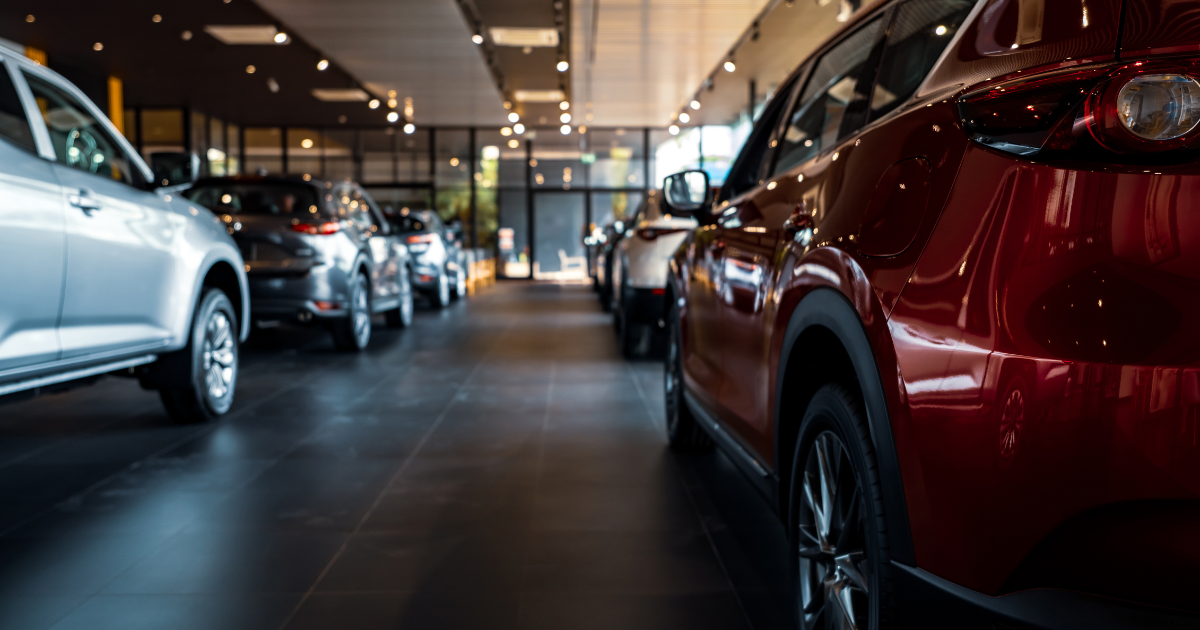
Buying a new car can feel like the safest and most straightforward option, especially for learner drivers or those new to the road. You’re getting a vehicle that hasn’t been driven before, comes with the latest features, and is backed by a manufacturer warranty. For many, this offers reassurance and simplicity during the early stages of driving. However, this peace of mind often comes at a higher cost, so it’s important to weigh up whether the benefits justify the price.
Pros
Peace of mind: New cars typically come with a full manufacturer warranty, meaning most faults and repairs are covered for several years. This can reduce stress and unexpected expenses, which is especially reassuring for first-time car owners.
Latest features: Modern safety systems such as automatic emergency braking, lane assist, and parking sensors are common in new cars. These features can be particularly helpful for inexperienced drivers who are still building confidence behind the wheel.
Customisation options: When buying new, you often have the option to choose the colour, trim level, and additional extras. This allows you to tailor the car to your preferences rather than settling for what’s available on the used market.
Cons
Higher cost: New cars usually come with a higher upfront price, which may require a larger loan or finance agreement. Monthly payments can also be higher, putting more pressure on your budget.
Insurance premiums: Insurance for learner drivers or inexperienced drivers can often be higher on a new car because the vehicle’s value is greater, making repair or replacement more expensive in the event of a claim. Insurers can also consider inexperienced drivers to be higher risk, so when this is combined with a higher-value car, premiums can rise significantly.
Buying A Used Car
Buying a used car is often seen as a more practical and budget-friendly option, particularly for learners and newly qualified drivers. Used cars can offer excellent value for money, allowing you to get on the road for less while avoiding the steepest depreciation. That said, buying used does require a bit more research to ensure the car is reliable and well maintained.
Pros
Lower cost: Used cars are often cheaper than new ones, making them more accessible if you’re working with a limited budget. This can reduce finances needed that would be spent on a new car, thus allowing you to spend more on insurance and running costs.
Slower depreciation: A car that is a few years old has already experienced its biggest drop in value. This means it’s likely to hold its value better over time compared to a brand-new vehicle.
Insurance savings: Older cars are often cheaper to insure, which can be a major advantage for new drivers. Lower premiums can make a noticeable difference to your overall motoring costs.
Cons
Potential reliability issues: Depending on the car’s age and mileage, used vehicles may be more prone to wear and tear. Repairs and maintenance can add up if the car hasn’t been properly looked after.
Limited warranty: Many used cars no longer have a manufacturer warranty or only come with limited cover. This means unexpected repairs could be paid for out of pocket.
Fewer modern features: Older models may lack the latest safety technology and convenience features found in newer cars. While not essential, these features can be helpful for less experienced drivers.
Offers and more direct to your inbox!
Sign up today for exclusive offers, practical guidance, driving tips, and more!
Conclusion
Choosing between a new or used car depends on your personal circumstances, budget, and priorities. If peace of mind, modern features, and reliability are your top priorities, and you can manage higher costs, a new car may be the right choice. On the other hand, if affordability, slower depreciation, and lower insurance premiums matter most, a used car could be the better option. For learner drivers and inexperienced drivers especially, it’s important to balance insurance costs, potential maintenance, and the likelihood of minor bumps or scratches as you gain experience on the road. Ultimately, the best choice is one that fits your lifestyle, finances, and driving needs.
FAQs
Commonly asked questions about buying a new or used car
It can be, especially if you prioritise reliability and modern safety features, but costs and insurance may be higher.