Home / Blogs / Potential Six Month Wait Before Learner Drivers Can Take Their Test
Potential Six Month Wait Before Learner Drivers Can Take Their Test
Share :
Learning to drive in the UK has never been particularly quick or cheap, but for learner drivers in England and Wales, it could soon take even longer to do their practical driving test. Last week, the UK government announced a series of proposed changes as part of a wide-ranging road safety strategy, with learner drivers being firmly in the spotlight.
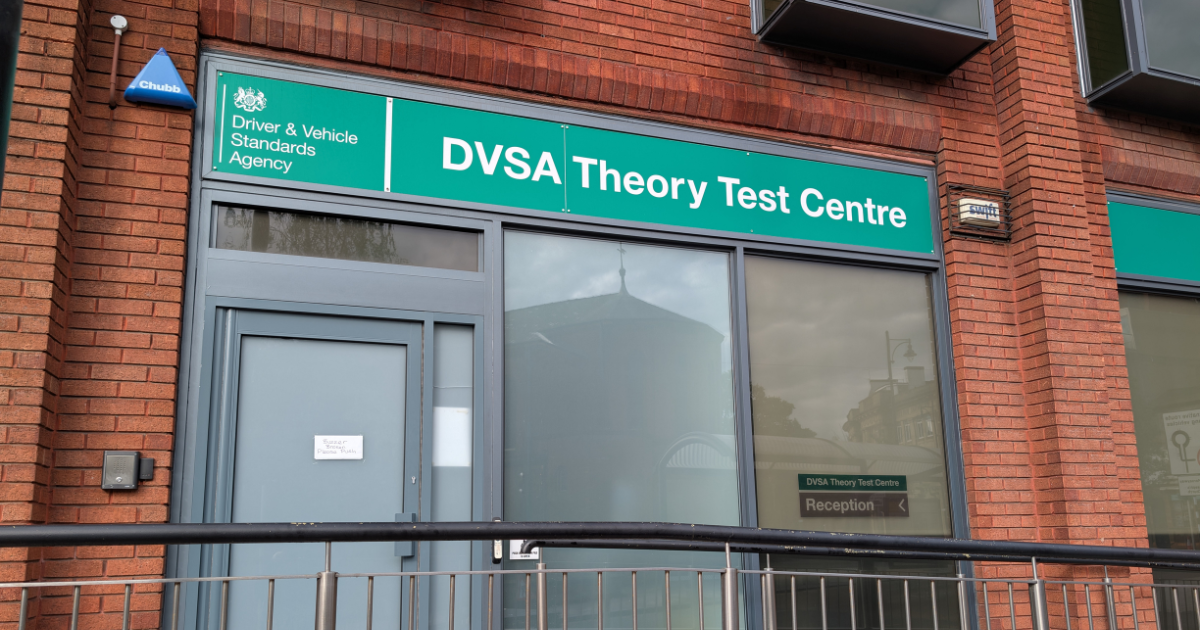
Among the headline proposals is a potential minimum waiting period between passing the theory test and being allowed to take the practical driving test. While the measures are still under consultation, the knock-on effect could mean learner drivers waiting up to six months before they are eligible to sit their test.
In this blog, we will break down what has been proposed, why the government believes these changes are necessary, and what they could mean in reality for learner drivers and motorists more broadly.
What Are The Changes In The New Road Safety Strategy?
One of the most talked-about elements of the new road safety strategy is the idea of a mandatory gap between a learner passing their theory test and taking their practical exam. Under the proposals, learner drivers in England and Wales could be required to wait either three or six months before booking their test. The intention, according to the UK government, is to ensure learners have more time to build experience on the road, including driving in different conditions, before qualifying.
The New Test Rules Are Part of a Wider Road Safety Strategy
These proposed test changes sit as part of a broader government road safety strategy, the first overhaul of its kind in over a decade. The plan has been introduced by the Department for Transport (DfT) and unveiled by ministers this week, with the goal of reducing deaths and serious injuries on Britain’s roads by 65% by 2035.
Young drivers are a key focus. Despite making up just 6% of licence holders, drivers aged 17–24 were involved in nearly aquarter of fatal and serious road collisions in 2024, according to Transport minister Lilian Greenwood.
The government is consulting on whether a three or six-month learning period would be most appropriate. This time would not need to be filled solely with paid lessons, informal practice with parents or guardians would also count, but learners would need to demonstrate they have spent time gaining real-world driving experience. Evidence from countries that already enforce minimum learning periods suggestssuch measures can reduce collision rates by up to 32%, which is a key justification behind the proposal.
How These Changes May Affect Learner Drivers
Unsurprisingly, reaction from learners has been mixed. Some young drivers see the proposals as sensible, while others feel unfairly targeted. Catherine, a learner from Bristol, described the idea of a mandatory wait as “condescending,” arguing that it places additional barriers in front of young people who often need a licence for work, education, and independence. She also highlighted the financial pressure, noting that lesson costs are already high and extending the learning period could make driving unaffordable for some.
Others worry the proposal fails to address the existing test backlog. As Catherine pointed out, learners are already waiting months, so formalising the delay may do little to improve outcomes while adding extra stress. That said, not all feedback has been negative. Ryan, a 21-year-old from Reading, told the BBC that the standard of driving among newly qualified drivers can be poor, suggesting a minimum learning period could help raise standards overall.
Learner drivers are not the only group that may be affected by the new proposals. The road safety strategy includes a number of wider changes that would impact motorists across England and Wales.
One of the most significant is a proposed reduction in the legal drink-driving limit. For novice drivers and those within their two-year probation period, the limit could drop from 80mg to around 20mg of alcohol per 100ml of blood. For all other drivers, the limit would be reduced to 50mg, which would bring England and Wales in line with Scotland.
Mandatory eye tests every three years for drivers aged 70
tougher action on uninsured driving
Addressing the growing problem of illegal number plates
the potential introduction of “alcolocks,” which are breathalyser devices that prevent a vehicle from starting if alcohol is detected, mainly for repeat offenders
Sign up today for exclusive offers, practical guidance, driving tips, and more!
Conclusion
The proposal for a potential six-month wait before learner drivers can take their practical test has sparked a lot of debate, and understandably so. For some, it represents a sensible step towards safer roads and more confident drivers. For others, it feels like another delay layered on top of an already slow and costly process.
What is clear is that no changes will happen overnight. All measures are currently subject to consultation, with feedback being reviewed before anything reaches Parliament. For now, learner drivers can continue preparing as normal.
As the conversation around road safety evolves, learner drivers, and those supporting them, will be watching closely. Whether these proposals strike the right balance between safety, affordability and accessibility remains to be seen, but they mark a significant moment in the future of learning to drive in the UK.