Home / Blogs / Road Signs and Markings: What to Look Out For
Road Signs and Markings: What to Look Out For
Share :
Whether you’re a learner driver, a newly-passed driver, or someone who needs a refresher, understanding road signs and markings is crucial for safe driving. Both road signs and road markings provide essential guidance, helping drivers to navigate efficiently while aiding safety for all road users. Their purpose can range from indicating speed limits, to warning about potential hazards. Road traffic signs and markings play a significant role in helping to reduce accidents and maintain order on the roads.
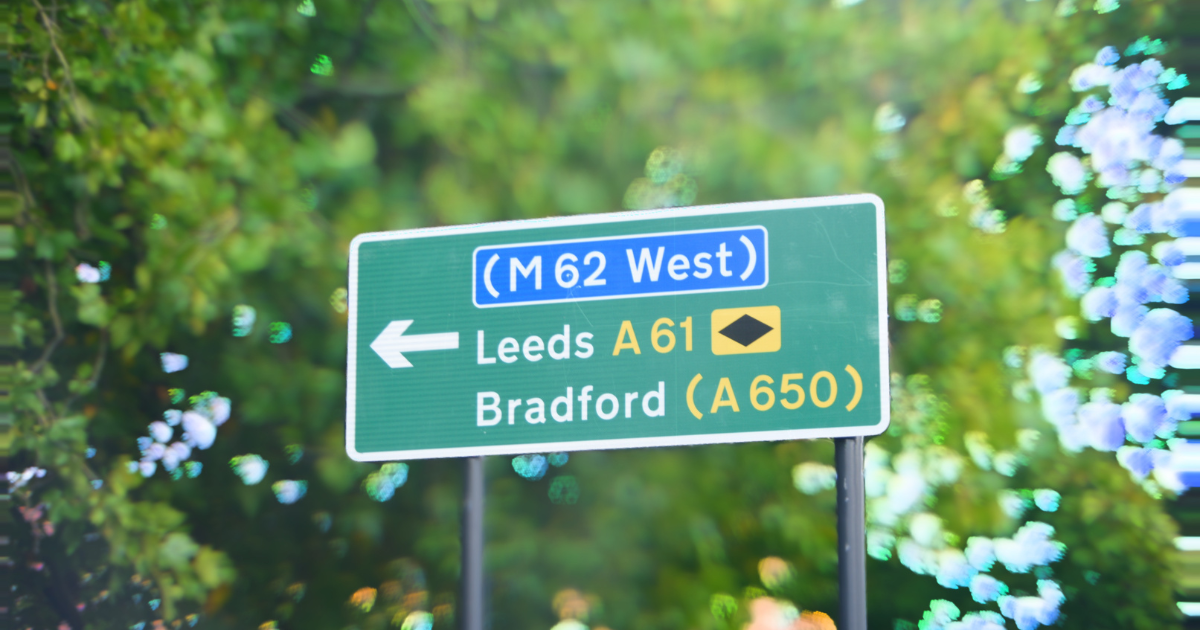
With thousands of miles of roads across the UK, having a standardised system of road signs and markings ensures that all drivers, regardless of experience, can follow and react appropriately to road conditions. By understanding the instructions and/or warnings set out by these signs and markings, drivers can make informed decisions that help to prevent accidents, reduce congestion, and create a smoother, safer driving experience for everyone on the road. The UK system of road traffic signs is deliberately designed to be instantly recognisable. Shapes and colours are used consistently such as triangular road signs warn of hazards, circular signs usually give orders, and rectangular signs provide information.
In this guide, we’ll cover why road signs and markings exist and explore some of the most common road signs and markings, looking at what they mean for drivers.
Why Do We Have Road Signs and Markings?
Road signs and road markings exist to regulate traffic flow, prevent accidents, and provide essential information to drivers and pedestrians alike. Without them, roads would be chaotic, with increased risks of collisions and confusion due to lack of direction or instruction. Every road sign and marking serves a distinct purpose, whether it’s to give warnings, provide directions, or enforce regulations. Whether you are driving in a busy city centre, travelling on rural country lanes, or joining a motorway, traffic signs ensure that drivers understand speed limits, lane restrictions, junction layouts, and priority rules.
Another key role of road signs in the UK is to create uniformity across the country, ensuring all drivers understand the rules regardless of where they are driving. This can include enforcing speed limits, indicating who has priority at junctions, and inform road users about potential dangers like staggered junctions or pedestrian crossings. Clearly displayed road marking signs and surface markings reinforce the instructions shown on upright signs. For example, lane arrows, give way lines and box junction markings work alongside road traffic signs to provide layered guidance, reducing the risk of misunderstandings and improving overall road safety.
Types of Road Signs in the UK
UK road signs are divided into clear categories so drivers can immediately understand the type of instruction being given.
Category of Road Sign
What It Indicates
Common Features
Warning signs
Potential hazards ahead
Red triangle border
Regulatory signs
Legal requirements or restrictions
Circular shape (often red border)
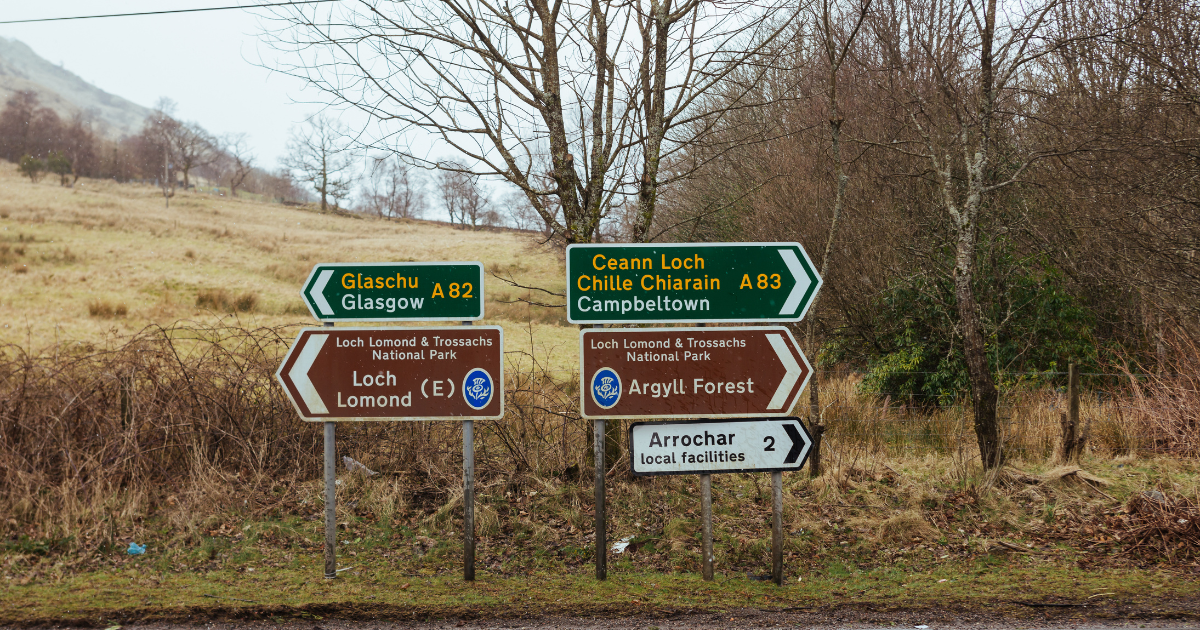
Information signs
Directions or guidance
Rectangular shape, blue or green backgrounds
Motorway signs
Motorway-specific instructions
Blue background with white text
Understanding these categories can help to interpret road signs quickly, particularly in unfamiliar areas or high-speed environments.
Common Road Signs in the UK
Here are ten of the most common UK road signs that all drivers should know:
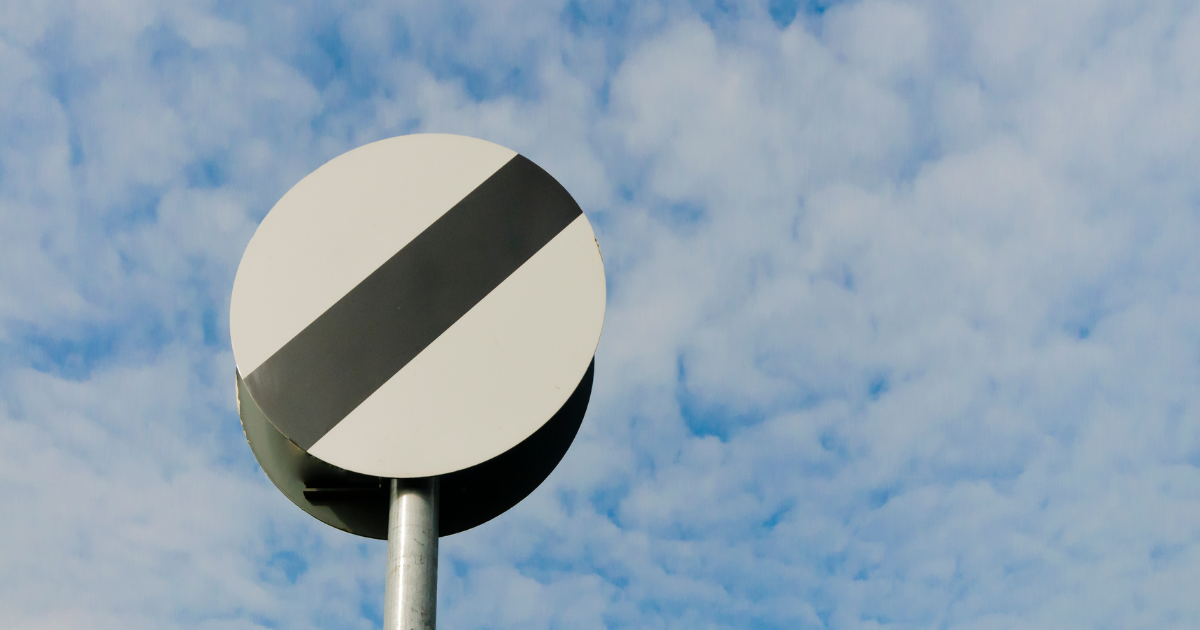
National Speed Limit Sign
What It Means: Indicates that the national speed limit applies (60 mph on single carriageways, 70 mph on dual carriageways and motorways).
Where You’ll See It: Often found on open roads and motorways when leaving a lower-speed area.
T-Junction Sign
What It Means: Warns that the road you are on is coming to an end, and you must turn left or right.
Where You’ll See It: Before approaching T-junctions.
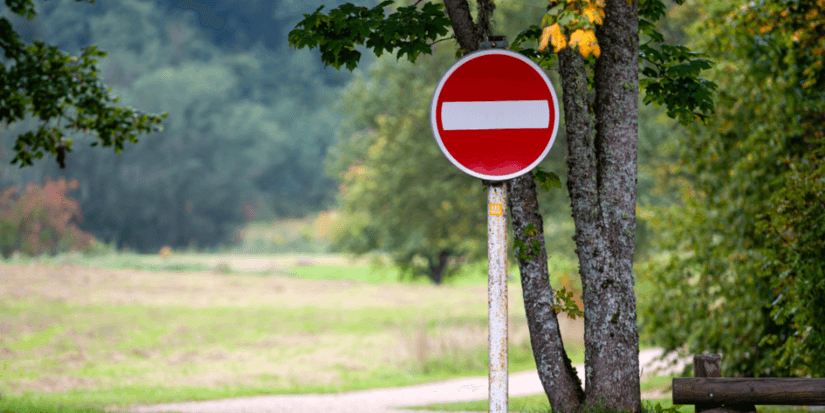
No Entry Sign
What It Means: Prohibits vehicles from entering a specific road or section.
Where You’ll See It: At one-way streets and restricted areas.
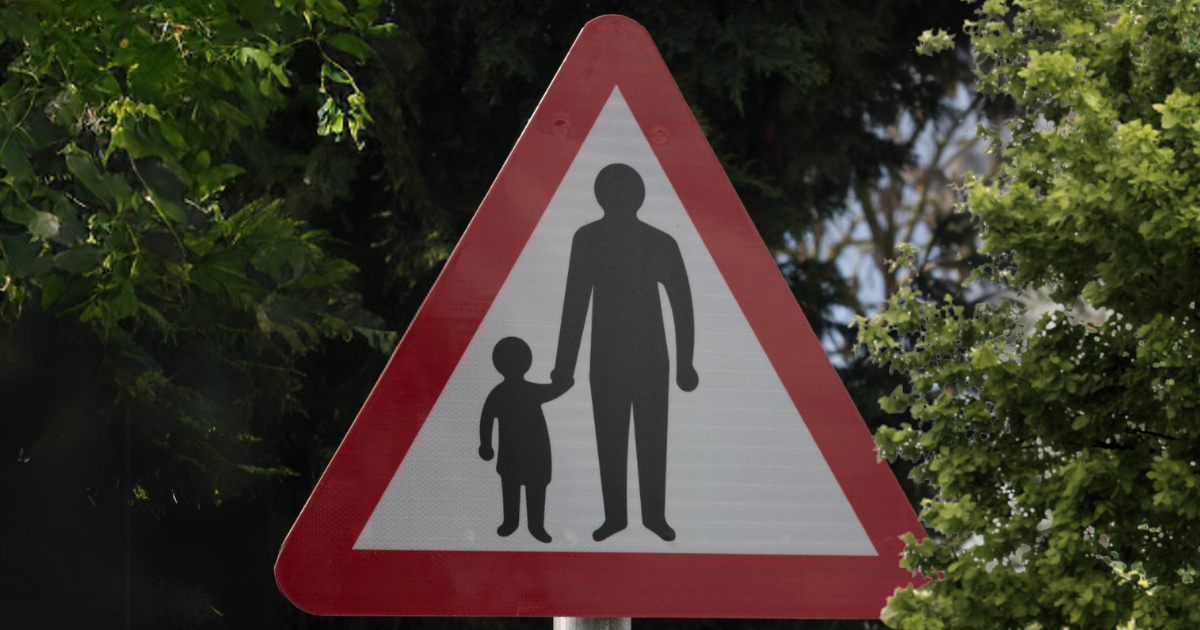
Pedestrian Crossing Sign
What It Means: Warns of a pedestrian crossing ahead, requiring drivers to be cautious.
Where You’ll See It: Near pedestrian crossings, often in urban areas.
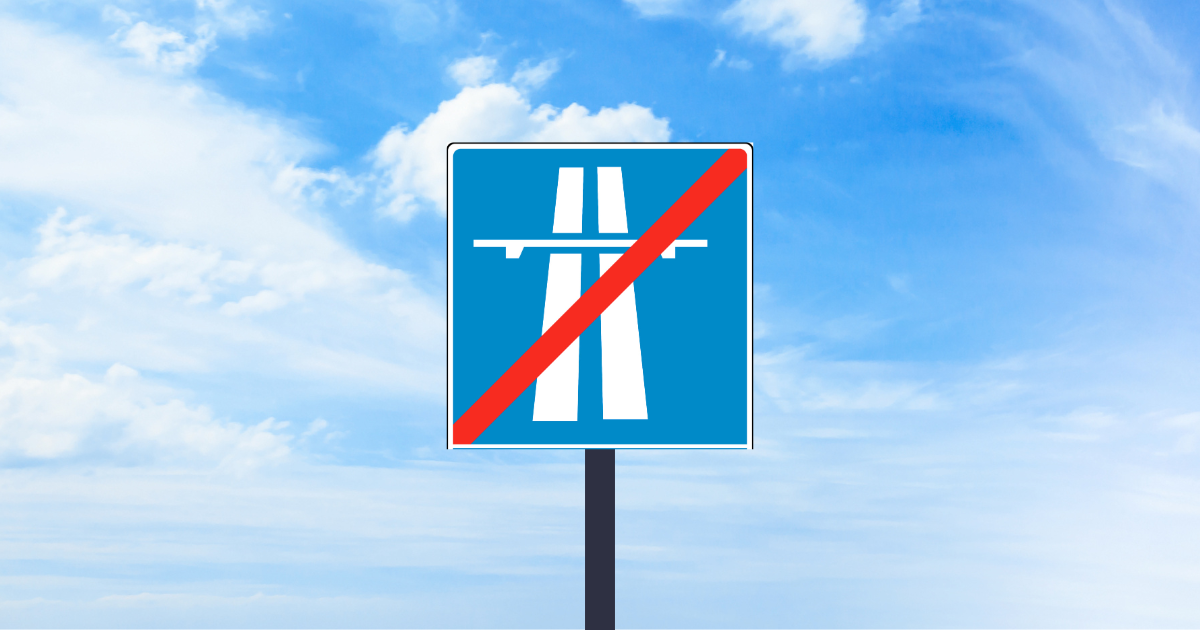
End of Motorway Sign
What It Means: Indicates that a motorway is ending, and standard road rules apply.
Where You’ll See It: At the exit of a motorway.
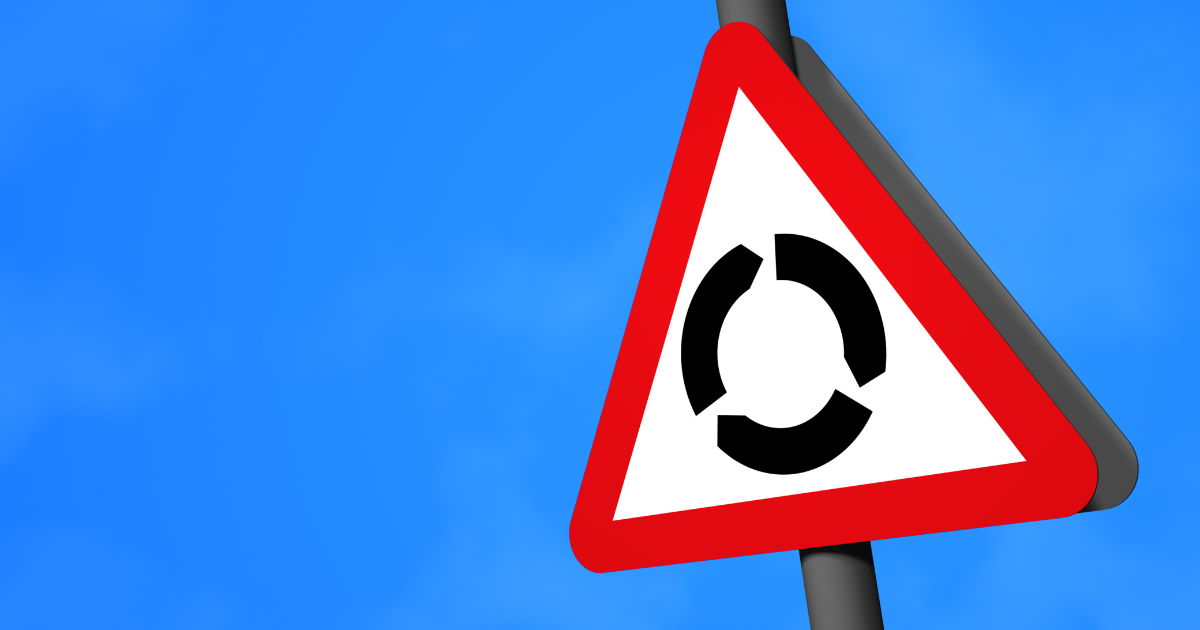
Roundabout Sign
What It Means: Informs drivers of an upcoming roundabout.
Where You’ll See It: Before approaching a roundabout.
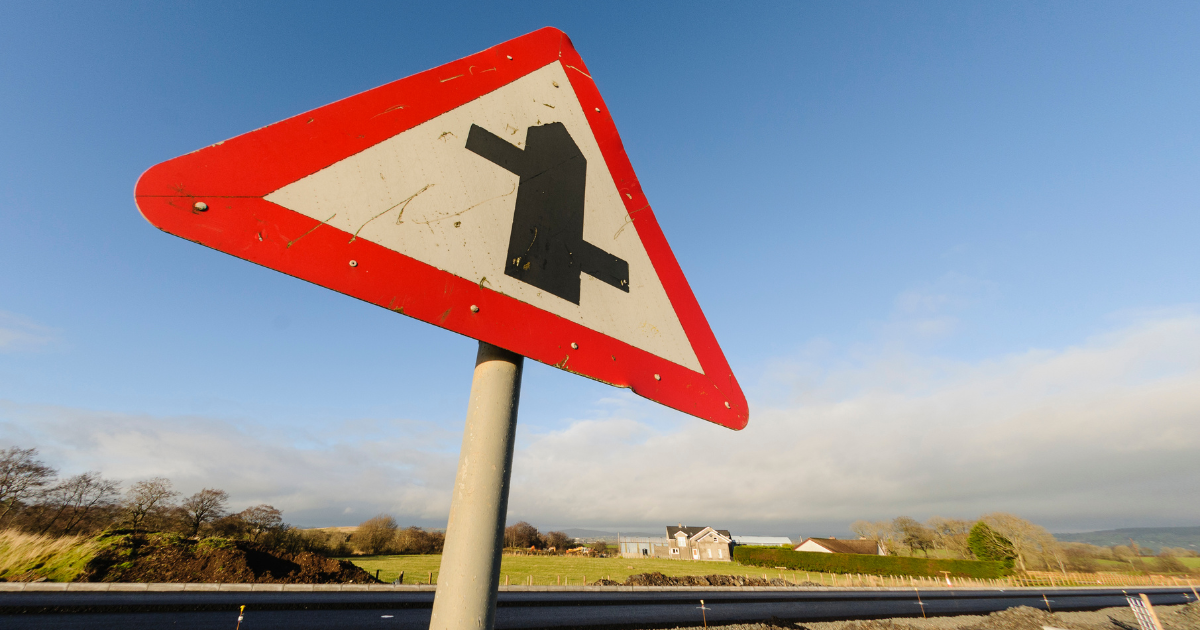
Staggered Junction Sign
What It Means: Warns that there are two junctions close together, offset from one another.
Where You’ll See It: On roads where staggered junctions occur.
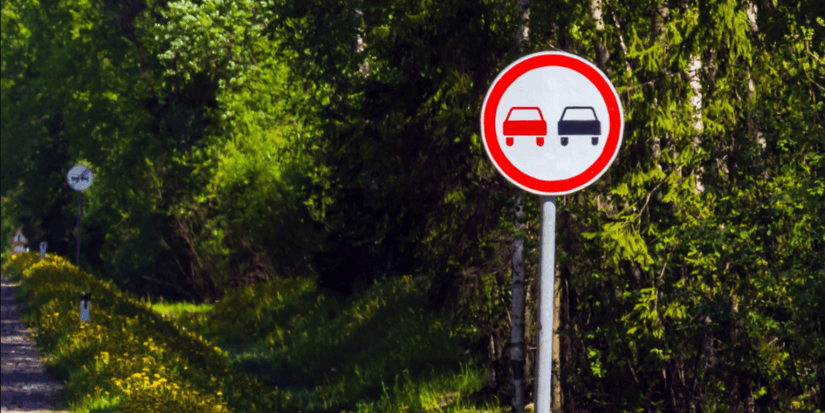
No Overtaking Sign
What It Means: Prohibits overtaking due to safety concerns.
Where You’ll See It: On narrow or winding roads.
Common Road Markings in the UK
Double Yellow Lines
What It Means: No waiting or parking at any time.
Where You’ll See It: Urban streets and high-traffic areas.
Broken White Lines
What It Means: Marks the centre of the road with crossing allowed when safe.
Where You’ll See It: Most standard roads.
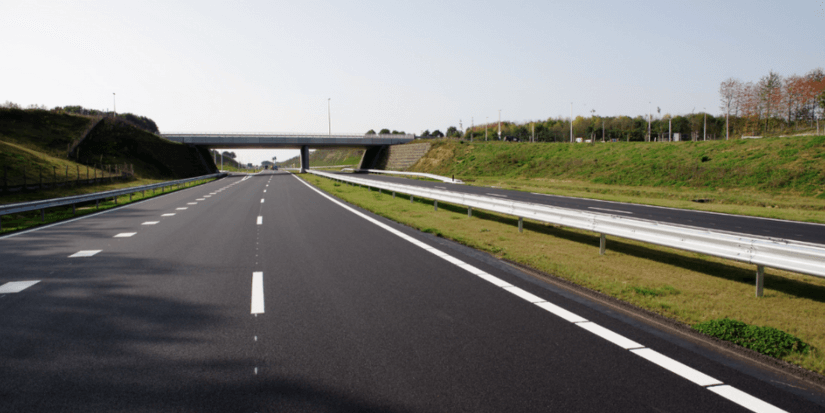
Solid White Line
What It Means: Do not cross except in emergencies.
Where You’ll See It: On hazardous bends and no-overtaking zones.
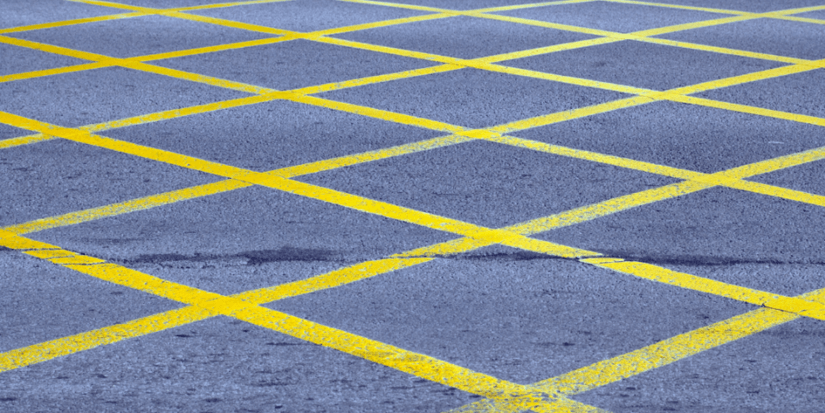
Box Junction Markings
What It Means: Do not stop inside unless your exit is clear.
Where You’ll See It: At busy junctions.
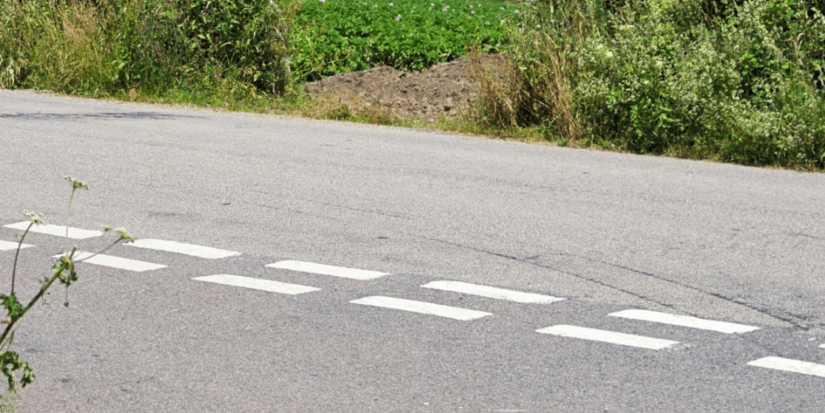
Give Way Markings
What It Means: Requires drivers to yield to traffic on the main road.
Where You’ll See It: At junctions.
Are Road Signs and Markings Legally Binding?
In the UK, most road traffic signs and road markings are legally binding, meaning drivers must adhere to them in order to avoid penalties such as fines or penalty points on their licence. Signs that indicate speed limits, one-way streets, and parking restrictions fall into this category and are legally binding. However, some signs are advisory rather than legally enforceable. For example, signs warning of sharp bends or steep hills do not impose a legal obligation but strongly recommend caution. Understanding which traffic signs are mandatory and which are advisory is essential for avoiding penalties. Circular road signs with a red border, such as speed limit signs, almost always indicate a legal requirement. Ignoring these could result in fines, points on your licence or even prosecution in more serious cases.
Road markings, such as box junctions, also have legal significance with drivers legally obliged to follow the rules surrounding them. If a driver stops inside a box junction when their exit is not clear, they can be fined. Understanding these distinctions is vital to staying within the law while driving. Similarly, solid white lines and double yellow lines carry legal weight, whereas some temporary road marking signs used during roadworks may provide instructions specific to short-term traffic management. Being aware of the difference helps drivers stay compliant and avoid unnecessary driving offences.
Common Mistakes Drivers Make with Road Signs
Even experienced drivers can occasionally misinterpret road signs, particularly when they become complacent or distracted. Misreading traffic signs can sometimes lead to sudden braking, missed turnings or even penalty points.
Some common mistakes include:
Confusing the national speed limit sign with a specific speed restriction
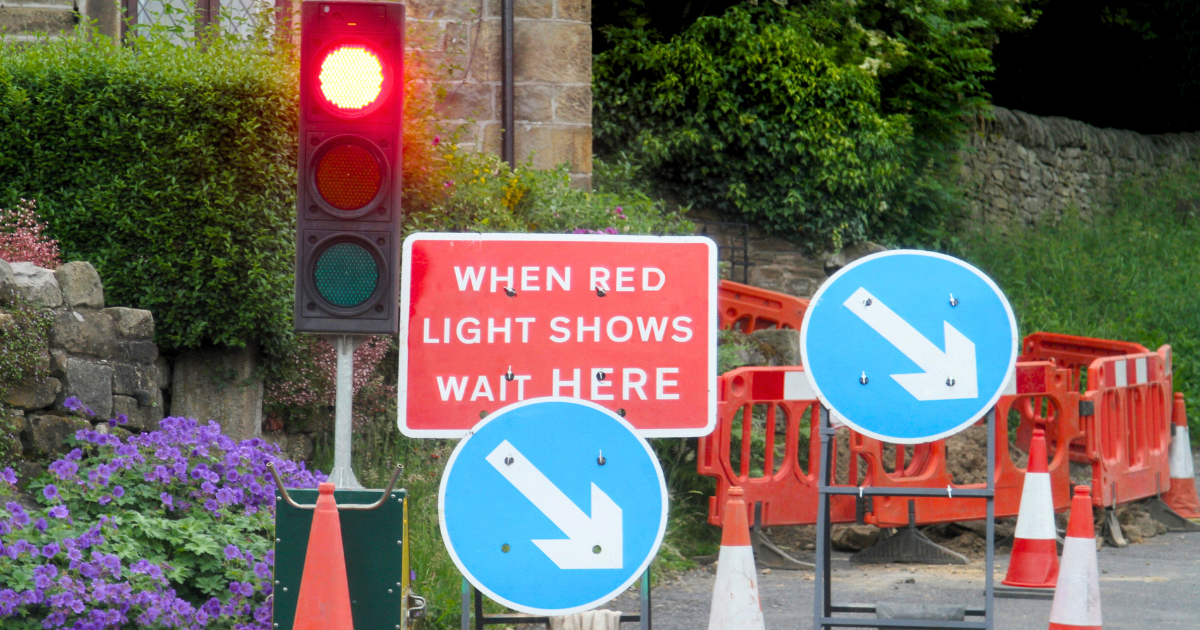
Failing to spot temporary road traffic signs during roadworks
Ignoring road marking signs at busy junctions
Assuming advisory warning signs are legally optional in all circumstances
Staying alert and scanning ahead for changes in signage can help to reduce these risks.
How to Revise UK Road Signs and Meanings
If you’re revising for your theory test, understanding UK road signs and meanings should be a key focus area. The DVSA expects learners to recognise a wide range of road signs quickly and accurately, including less common warning signs and motorway signals. Regular revision can not only help ahead of your practical test but also improve hazard perception and decision-making on the road.
Revision tips ahead of your theory and practical driving test:
Use The Highway Code to review official road traffic signs and their explanations
Practise identifying traffic signs while travelling as a passenger
Focus specifically on commonly misunderstood signs, such as the national speed limit sign
Revise road marking signs, including box junctions and lane arrows, which often appear in theory test questions
Offers and more direct to your inbox!
Sign up today for exclusive offers, practical guidance, driving tips, and more!
Conclusion
Understanding UK road signs and markings, along with their meanings is essential for safe and legal driving. These signs and markings help to ensure smooth traffic flow, prevent accidents, and keep all road users informed about the conditions ahead. Whether you’re a learner or an experienced driver, regularly refreshing your knowledge can help you stay safe on the road and aware of your obligations as a road user.
By staying alert to road traffic signs and road markings, you can improve your confidence, navigate roads effectively, and contribute to overall road safety. Make sure to always observe and follow them to avoid penalties and, most importantly, to protect yourself and others on the road.
FAQs
Commonly Asked Questions About Road Signs and Markings
Using the Highway Code, road sign quizzes, and practical driving lessons can help reinforce your knowledge of road signs.
Yes, the UK has unique road signs, such as the national speed limit sign, which differs from other countries’ speed limit indicators.
Ignoring certain road markings, like stopping in a box junction, can result in fines and penalty points on your licence.
Road signs are updated as needed based on changes in regulations, road layouts, or safety improvements.
Most UK road signs use symbols, but some signs, like certain parking restrictions, include text for additional clarity.
The terms are often used interchangeably. “Traffic signs” generally refers to all signs controlling road users, including drivers, cyclists, and pedestrians, while “road signs” typically focuses on signage affecting vehicles. In practice, both describe the same UK road sign system.
Many road marking signs, such as solid white lines and box junction markings, are legally enforceable. Failing to follow them can result in fines or penalty points, depending on the offence.
The national speed limit sign indicates that the default national speed limit applies to that road type which is 60 mph on single carriageways and 70 mph on dual carriageways and motorways, unless otherwise stated.
The official source is The Highway Code, which includes comprehensive guidance on road traffic signs, road marking signs, and their legal status.
Colour helps drivers instantly recognise the type of instruction. Red is usually used for prohibitions and mandatory instructions, while blue signs often provide directional instructions or motorway information.