Home / Blogs / Temporary Traffic Lights: Rules, Signs and How They Work
Temporary Traffic Lights: Rules, Signs and How They Work
Share :
Temporary traffic lights are a common sight on UK roads, yet many drivers, particularly those with limited experience, can find them confusing and unclear. Unlike permanent traffic signals, temporary traffic lights are typically installed for short periods of time, usually to manage traffic around roadworks, lane closures, or temporary hazards. Because they appear in unfamiliar places and often work differently from permanent lights, it’s important for all road users to understand how they work and how to approach them safely.
In this guide, we’ll explain what temporary traffic lights are, where you might encounter them, how they operate, and the temporary traffic lights rules you should follow to navigate them safely and confidently on the road.
What Are Temporary Traffic Lights?
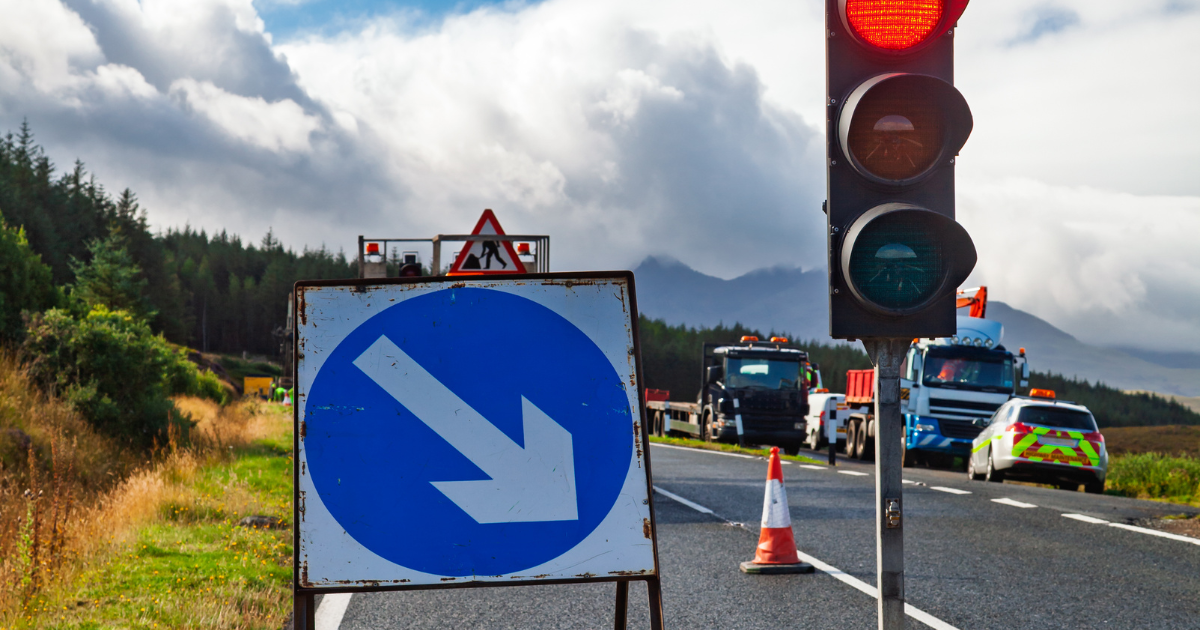
Temporary traffic lights are portable signal systems used to control traffic flow when normal road conditions are disrupted. You’ll often see them at roadworks, maintenance sites, or anywhere traffic needs to be managed safely through a reduced or restricted area.
Unlike permanent signals installed at junctions, temporary traffic light systems are typically mounted on portable poles or stands and powered by batteries or generators. They’re designed to be installed quickly and removed once the work or disruption is complete.
Their main purpose is to safely manage situations where:
For example, if roadworks reduce a two-lane road down to a single lane, temporary traffic lights will alternate traffic from each direction so vehicles can safely pass through the restricted area.
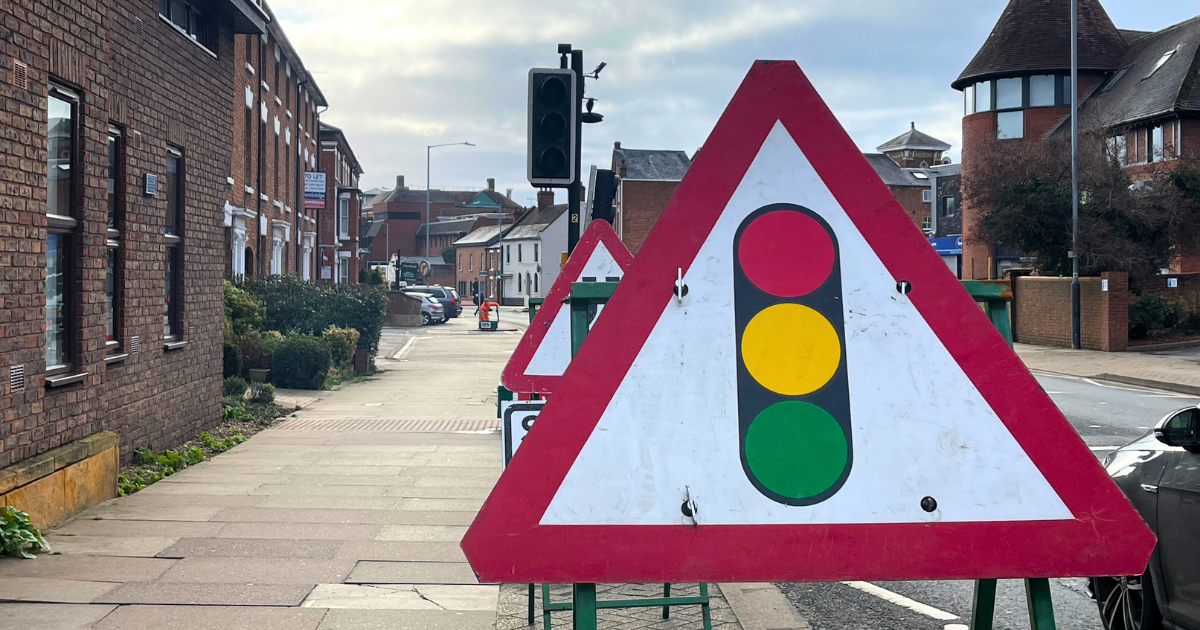
Drivers may also notice a temporary traffic lights sign placed in advance of the signals. This warning sign alerts motorists that signal-controlled traffic is ahead and encourages them to slow down and prepare to stop if necessary.
How Do They Work?
Although they look similar to permanent traffic signals, temporary traffic lights often operate slightly differently.
Most systems use timed signal cycles. Each direction of traffic receives a green signal for a set amount of time before switching to red, allowing traffic from the opposite direction to move through the restricted section of road.
Here’s a simplified version of how they usually work:
One side of the road receives a green light.
Vehicles pass through the restricted area.
The signal turns amber, then red.
A short pause ensures the road is clear.
The opposite direction receives a green signal.
This sequence repeats continuously while the system is active. Some modern systems are sensor-controlled, meaning they detect waiting vehicles and adjust the timing accordingly to reduce unnecessary delays. Temporary lights may also be manually controlled by roadworkers during busy periods or complicated road layouts.
For road users, the important thing to remember is that the signals function in essentially the same way as permanent traffic lights. Red means stop, amber means prepare to stop, and green means you may proceed if the road ahead is clear.
Single Where Could You Find Temporary Traffic Lights?
Temporary traffic lights are typically used anywhere traffic conditions change in a way that requires controlled vehicle movement. If road space becomes limited, traffic may need to take turns passing through a specific area. These systems are designed to help prevent congestion, confusion, and potential collisions by clearly directing drivers when to stop and when it’s safe to proceed.
You might encounter temporary traffic lights in situations such as:
Temporary diversions or event traffic management
Roadworks or resurfacing projects
Utility works (gas, water, electricity, or broadband installations)
Bridge maintenance or inspections
Tree cutting or roadside vegetation work
Lane closures due to damaged road surfaces
Emergency repairs following accidents or infrastructure faults
Construction sites near busy roads
How To Approach Temporary Traffic Lights As a Road User
Temporary traffic lights should be treated with the same attention and respect as permanent traffic signals.
Look For Warning Signs Early
Most setups include a temporary traffic lights sign placed before the signals themselves. This triangular warning sign gives drivers time to reduce speed and prepare for changing traffic conditions ahead.
Spotting this sign early helps you avoid sudden braking.
Reduce Your Speed
Roadworks or restricted lanes mean there may be workers, equipment, or uneven surfaces nearby. Slowing down allows you to react safely to the lights and any vehicles around you.
Be Prepared To Stop
Temporary lights can change quickly depending on timing or traffic flow. Always approach them with the expectation that you may need to stop.
Avoid accelerating towards the lights if they’ve been green for a while.
Stop At The Correct Position
If the light is red, stop at the marked stop line or just before the signal unit. Make sure your vehicle does not block the single-lane section ahead.
This ensures vehicles travelling in the opposite direction have enough room to pass safely.
Check The Road Before Proceeding
Even when the light turns green, take a moment to check the road ahead. Sometimes vehicles may still be clearing the restricted area, particularly if larger vehicles or slow-moving traffic are involved.
Be Patient
Temporary lights can sometimes feel slow, especially during longer roadworks sections. However, they are carefully timed to allow all traffic to pass safely.
Patience is particularly important for inexperienced drivers who may feel pressured by vehicles behind them.
Watch For Pedestrians and Workers
Roadworks often mean workers and pedestrians are close to live traffic lanes. Always remain alert for people crossing the road or moving around the site.
Follow Temporary Road Markings
In some situations, cones or temporary lane markings guide drivers through the controlled area. Follow these carefully and avoid crossing into closed lanes.
Avoid Blocking Junctions
If the road ahead is congested, wait before moving forward, even if your light turns green. Entering the controlled area without space to clear it could block oncoming traffic.
Stay Calm and Predictable
For learner drivers and inexperienced drivers especially, the best approach is to stay calm, follow the signals, and avoid rushing. Smooth, predictable driving helps keep everyone safe.
The table below highlights some common scenarios and how you should respond:
Situation
What It Means
What You Should Do
Red light showing
Traffic from your direction must stop
Wait behind the stop line until the light turns green
Green light appears
Your direction has right of way
Proceed carefully and check the road ahead is clear
Vehicles still coming towards you
The previous cycle is clearing
Wait briefly before entering the lane
Temporary signals not working
Signals may be switched off or faulty
Treat the situation like an unmarked priority area and proceed cautiously
Temporary traffic lights with roadworkers
Lights may be manually controlled
Follow instructions from workers and signal operators
Offers and more direct to your inbox!
Sign up today for exclusive offers, practical guidance, driving tips, and more!
Conclusion
Temporary traffic lights are an essential tool for managing traffic safely when road conditions change. Whether they’re used for roadworks, maintenance projects, or emergency repairs, they help ensure traffic can continue flowing in a controlled and predictable way.
For learner drivers and those with less experience on the road, encountering temporary traffic lights can feel unfamiliar at first. By understanding how they work, recognising warning signs, and following the correct driving approach, you can handle them safely and confidently. By slowing down, staying alert, and respecting the signals, road users can help keep both roadworkers and fellow motorists safe while navigating temporary traffic systems.
FAQs
Commonly asked questions about temporary traffic lights
Most temporary traffic lights do not have cameras attached. They are designed to manage traffic flow rather than enforce penalties. However, running a red light is still dangerous and could lead to consequences if observed by police or roadworkers.
A temporary traffic lights sign is a triangular warning sign showing the red, amber and green signal symbols. It alerts drivers that signal-controlled traffic is ahead, and they should be prepared to slow down or stop.
Yes. Temporary traffic lights follow the same legal rules as permanent signals. Drivers must stop at a red light and only proceed when the signal turns green.
If temporary traffic lights appear faulty or remain on red for an unusually long time, drivers should proceed with extreme caution. Treat the area like an uncontrolled road section and ensure the route ahead is clear before moving.