Home / Blogs / Who Can Be in the Car With a Learner Driver?
Who Can Be in the Car With a Learner Driver?
Share :
Learning to drive is a huge milestone, whether you’re a teenager preparing for your first driving test or an adult learning later in life. Alongside lessons with a qualified instructor, many learner drivers choose to gain valuable experience through private practice with family or friends.
Understanding the rules around learner driver supervision and passengers is vitally important for both safety and legality. From who is allowed to supervise a learner driver to whether learners can carry passengers, there are several UK driving laws and practical considerations to keep in mind before setting off.
In this guide, we’ll explain who can supervise a learner driver, whether learner drivers can have passengers and how many passengers they can legally carry. We’ll also cover the rules around family members, children and friends travelling in the car, along with practical tips for safe and stress-free private driving practice.
Can a Learner Driver Have Passengers?
Yes, a learner driver can have passengers in the car.
There is no specific UK law that prevents learner drivers from carrying passengers while practising driving. However, the learner driver must still meet all legal requirements for supervised driving, and the supervising driver must remain in a position to oversee the learner safely.
While learners can legally have passengers, it’s important to think carefully about whether extra people in the car are helpful or distracting. Too many passengers can potentially increase noise levels, reduce concentration and create pressure for inexperienced drivers.
Who Can Supervise a Learner Driver?
One of the most important rules is that learner drivers must be supervised correctly whenever they practise driving outside of official lessons.
Be qualified to drive the type of vehicle being used by the learner driver
Fitness to drive
Be fit to drive and not under the influence of alcohol or drugs
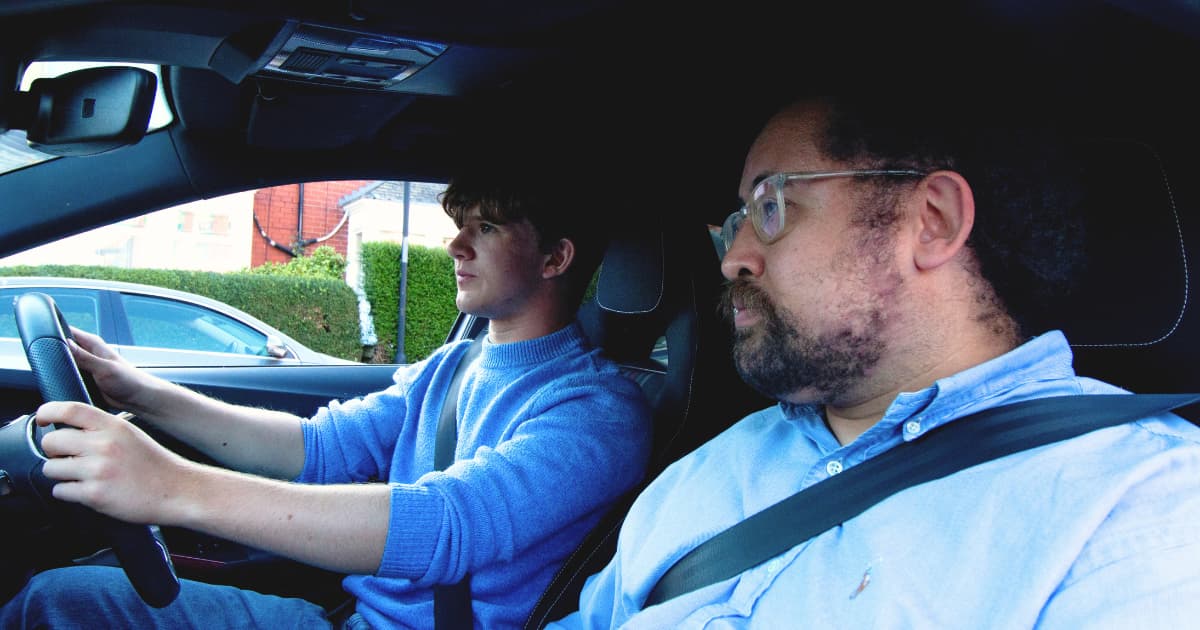
The supervising driver does not need to be a qualified driving instructor. This means parents, guardians, older siblings, friends or partners can supervise private practice if they meet the legal requirements. However, they must remain attentive throughout the journey and be capable of taking control or giving guidance if needed.
Can Family Members Sit in the Car With a Learner Driver?
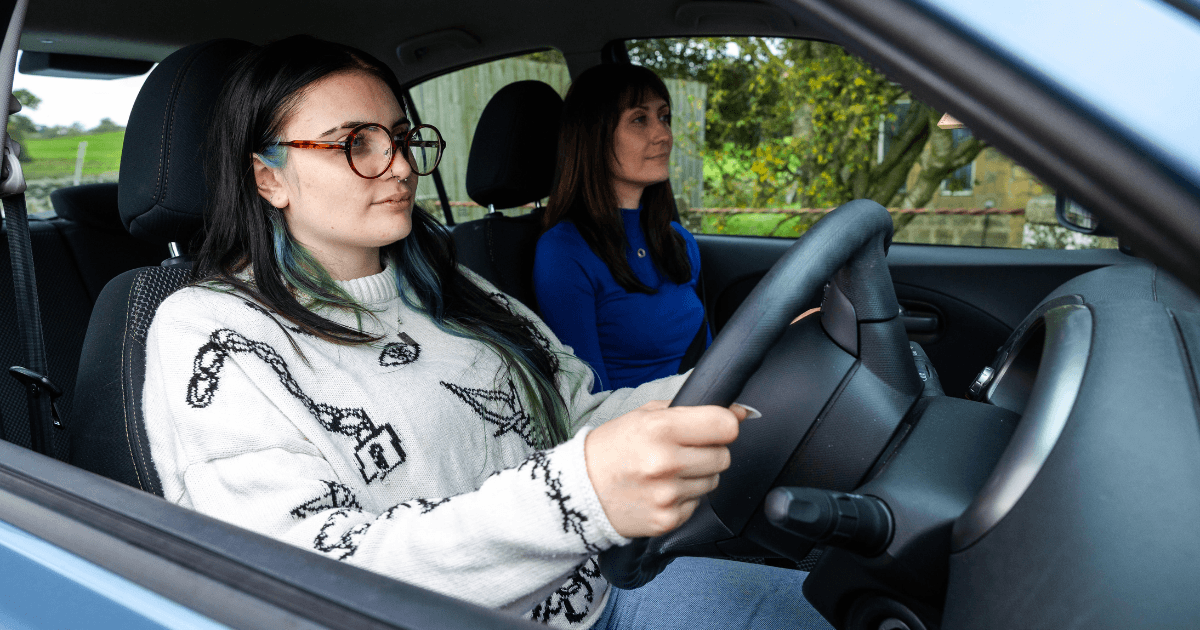
Yes, family members can sit in the car with a learner driver, provided the supervision rules are still followed.
For example:
A parent can supervise while siblings sit in the back
A grandparent can be a passenger
Friends or relatives can travel in the vehicle
Children can also be passengers if they are using the correct child seat or restraint
The key point is that the learner driver must still be properly supervised by a qualified supervising driver. Although passengers are legal, it’s worth remembering that nervous learners may find it harder to focus with multiple people in the car. Parents supervising private practice may want to start with quieter driving sessions before introducing additional passengers.
How Many Passengers Can a Learner Driver Have?
There is no passenger limit specifically for learner drivers.
The driver’s visibility and control are not affected
Proper supervision requirements are met
For example, if a car legally seats five people, a learner driver could technically carry four passengers which would have to include a supervising driver. However, just because it’s legal doesn’t always mean it’s a good idea. New and inexperienced drivers often benefit from minimising distractions. Loud conversations, music or passengers giving conflicting advice can make driving more stressful and potentially unsafe.
Rules for Learner Driver Supervision
When practising driving privately, there are several legal requirements beyond supervision alone.
The learner driver must be insured to drive the vehicle. This could be through:
A learner driver insurance policy
Being added to another policy, if permitted
Driving without insurance is illegal, even during private practice with supervision.
Motorway rules for learners
Learner drivers can drive on motorways in England, Scotland and Wales, but only if:
They are with an approved driving instructor (ADI)
The car has dual controls
This means learners cannot practise on motorways with parents or family members supervising.
Mobile phone laws still apply
Learner drivers must follow the same mobile phone laws as fully qualified drivers. Using a handheld phone while driving is illegal and dangerous. Supervising drivers should also avoid distractions and remain focused on the road.
Tips for Safe Private Practice With a Learner Driver
Private driving practice can be extremely valuable when done safely and correctly. Here are some useful tips for learner drivers and supervising passengers alike.
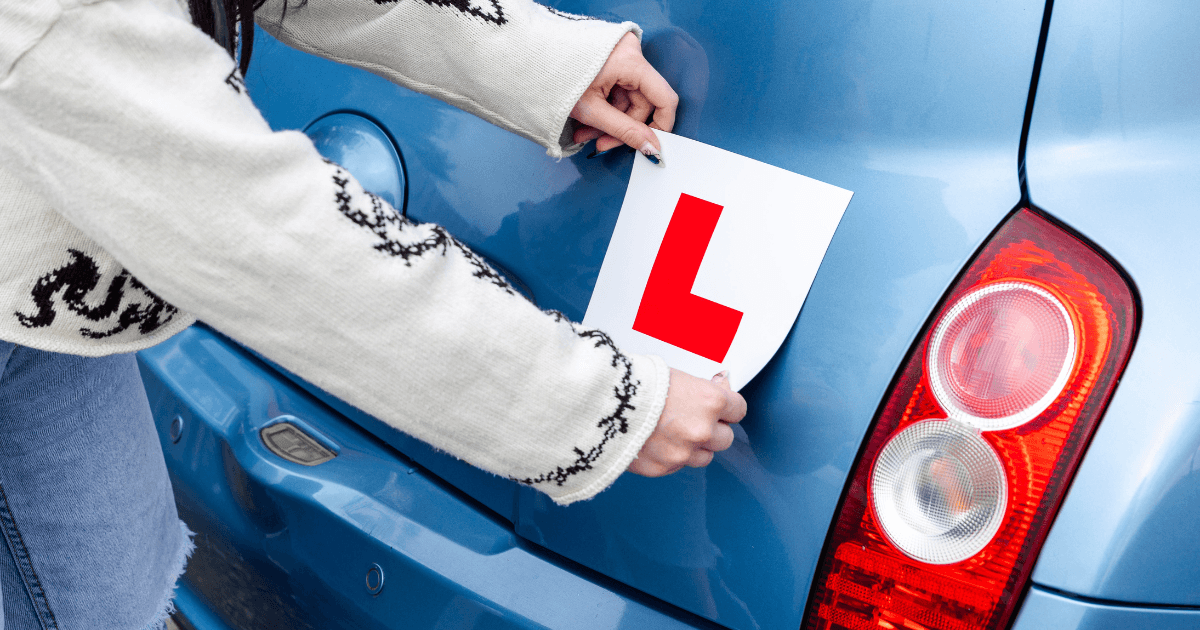
Understanding the rules can help avoid unnecessary stress, fines or unsafe situations. Some of the most common mistakes include supervisors not meeting the legal age or licence requirements, forgetting to display L plates or driving without the correct learner driver insurance in place. Learners and supervisors can also run into problems by carrying distracting passengers too early, attempting motorway practice illegally or allowing conversations and mobile phones to distract attention from the road. Even experienced drivers can sometimes forget that supervising a learner driver comes with important legal and safety responsibilities.
What Happens if Learner Driver Rules Are Broken?
Breaking learner driving laws can lead to penalties for both the learner driver and, in some cases, the supervising driver. Depending on the offence, consequences can include penalty points, fines, insurance complications and even driving bans in more serious situations. For example, if a learner driver is caught driving without proper supervision or valid insurance, they could face legal action before they have even passed their driving test. That’s why understanding the rules around learner driver passengers and supervision is so important for anyone involved in private driving practice.
Offers and more direct to your inbox!
Sign up today for exclusive offers, practical guidance, driving tips, and more!
Conclusion
Learner drivers can legally have passengers in the car, including friends, family members and children, provided the vehicle is not overloaded and proper supervision rules are followed. The most important requirement is that the learner driver is supervised by someone who is over 21, has held a full UK licence for at least three years and is qualified to drive the vehicle being used.
Although there is no legal limit on learner driver passengers beyond normal seatbelt and vehicle capacity rules, keeping distractions to a minimum can help learners stay focused and build confidence safely. Whether you’re supervising a learner driver for the first time or preparing for extra private practice between lessons, understanding the rules can help make every journey safer, calmer and more productive.
FAQs
Commonly asked questions about passengers in a learner’s car
Yes, learner drivers can legally drive with friends in the car, as long as they are properly supervised and the vehicle is not overloaded.
Yes, children can be passengers while a learner is driving, but they must use the correct child car seat or restraint for their age and height.
No. A learner driver must always be supervised by someone who meets the legal supervision requirements. Two provisional licence holders cannot supervise each other.
No. Learner drivers cannot drive alone on public roads under any circumstances until they pass their driving test.
No, but the learner driver must be properly insured to drive the vehicle being used for practice.