Summer Driving Tips for Staying Alert on Long Journeys
Whether you’re travelling across the country or simply spending more time on the road than usual, these summer driving tips can help you stay focused and comfortable.
Plan Regular Breaks
The Highway Code recommends taking a break of at least 15 minutes after every two hours of driving. Regular breaks allow you to stretch your legs, get fresh air and reduce mental fatigue. Even if you don’t feel tired, stopping periodically can help maintain concentration levels throughout the journey.
Stay Hydrated
Hot weather can leave you feeling dehydrated, which may lead to tiredness behind the wheel. Take plenty of water with you and sip it regularly, particularly on hotter days. Waiting until you feel thirsty often means you’re already becoming dehydrated.
Avoid Driving When You’re Naturally Tired
Many people experience a natural dip in alertness during the early afternoon or late evening. If possible, schedule longer journeys around times when you typically feel most awake and alert. Getting a good night’s sleep the night before travelling can also make a significant difference.
Keep the Car Comfortable
A hot, stuffy vehicle can quickly make drivers feel tired or uncomfortable. If you’re wondering how to keep your car cool in summer while driving, consider:
- Using air conditioning where available
- Opening windows briefly before setting off to release trapped heat
- Parking in shaded areas when possible
Creating a comfortable driving environment can help to maintain focus for longer periods.
Watch Out for Sun Glare
Bright sunshine can make it difficult to spot hazards, road signs and other vehicles. Keep your windscreen clean, wear suitable sunglasses if necessary and use your sun visor when possible. Remember that glare can be particularly strong during early mornings and evenings.
Summer Driving Advice for Learner Drivers
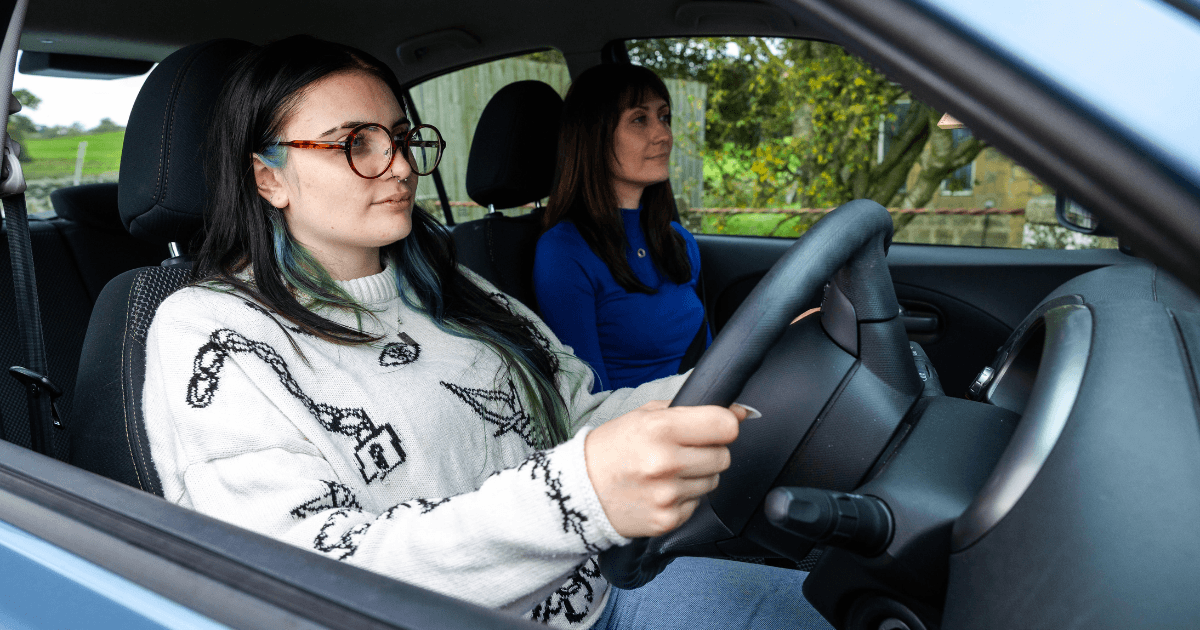
Summer can be an excellent time for learner drivers to gain experience behind the wheel. Longer daylight hours often provide more opportunities for lessons and private practice with generally favourable weather conditions that help learners build confidence.
Learner drivers should also be aware of seasonal challenges, including:
- Increased traffic around tourist destinations
- Busier motorways and dual carriageways
- Driver fatigue during longer practice sessions
- Bright sunlight affecting visibility
Vehicle Checks Before Long Summer Drives
Summer driving safety isn’t only about the driver. Your vehicle also needs to be ready for warmer conditions. Before setting off on a longer journey, check:
- Tyre pressures and tread depth
- Engine coolant levels
- Oil levels
- Windscreen washer fluid
- Air conditioning performance
- Battery condition
- Lights and indicators
Hot weather can place additional strain on vehicles, particularly during long journeys and periods of heavy traffic. A quick pre-trip inspection can help reduce the risk of breakdowns and unnecessary delays.
Driving on Long Summer Nights
One of the unique aspects of driving on long summer nights is that daylight can extend much later than usual. While this may reduce some of the challenges associated with night driving, it’s important not to mistake daylight for alertness. Drivers can still become tired after a long day, even when it’s bright outside.
If you’re driving during the evening after a busy day at work, travelling or socialising, pay close attention to signs of fatigue such as yawning, wandering thoughts or distracted driving. If you notice these warning signs, stop somewhere safe and take a break.