Home / Blogs / Top Tips for Approaching Junctions Safely
Top Tips for Approaching Junctions Safely
Share :
Junctions can often be some of the busiest parts of the UK road network. Whether you’re turning into a side road, joining a roundabout or waiting at traffic lights, every driver will encounter road junctions on almost every journey. For learner drivers and newly qualified motorists especially, junctions can feel intimidating at first because they require observation, timing, judgement and awareness all at once.
Understanding how different types of road junctions work can help you to make safer decisions and hopefully reduce the likelihood of accidents. From yellow box junctions in busy town centres to rural T-junctions with limited visibility, every situation requires a slightly different approach. In this guide, we’ll explain what junctions are, how they work and the different types of road junctions in the UK. We’ll also cover practical tips for approaching junctions safely and common mistakes to avoid.
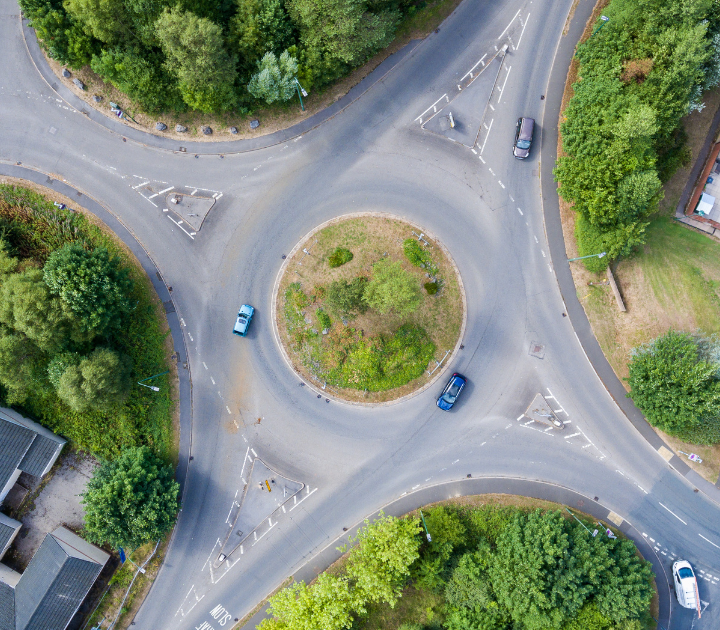
There are several types of road junctions in the UK, ranging from simple T-junctions in residential areas to large multi-lane roundabouts and signal-controlled crossroads. Each junction type has its own rules, layouts and priorities, which means drivers must adapt their speed and observations accordingly.
Road junctions are essential because they:
Allow vehicles to change direction safely
Help traffic move between roads efficiently
Separate conflicting traffic movements
Reduce congestion when used correctly
Improve safety for drivers, cyclists and pedestrians
For learner drivers, junctions are often introduced early in driving lessons because they combine many core driving skills, including clutch control, steering, signalling, positioning and hazard awareness.
How Do Junctions Work?
Junctions work by controlling which vehicles have priority and when drivers can safely proceed. Depending on the junction type, this may be managed through road markings, traffic lights, give-way lines, signs or roundabout rules.
For inexperienced drivers, understanding how junctions work is about more than simply following rules. It also involves anticipating the behaviour of other road users and reacting calmly under pressure.
Types of Road Junctions in the UK
While layouts can vary, the most common types of road junctions in the UK include:
T-Junctions
A T-junction is where one road ends and joins another road. Drivers emerging from the minor road must usually give way to traffic on the main road.
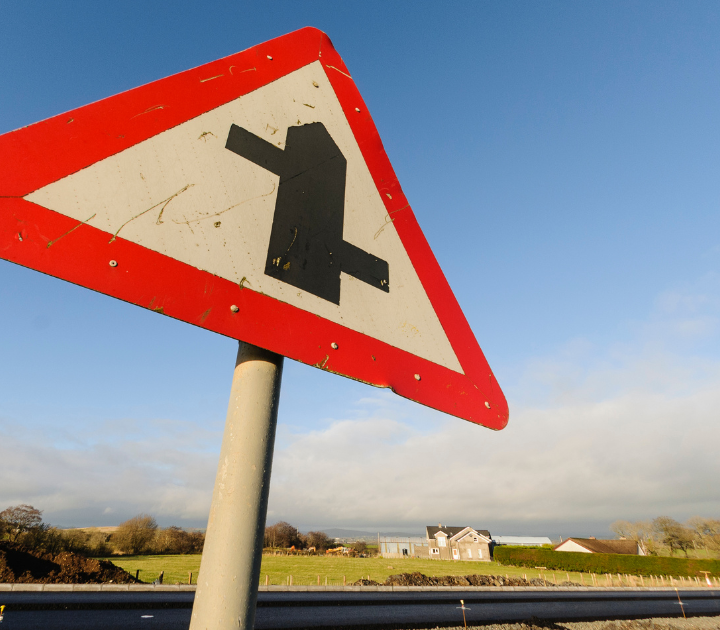
These are split junctions where roads do not align directly opposite one another. Drivers may need to cross part of a main road before joining another section.
Box Junctions
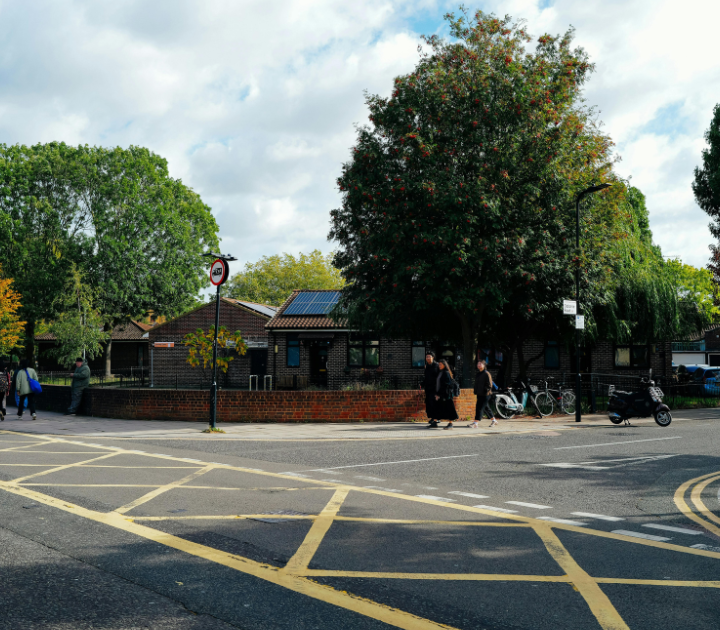
Yellow box junctions are marked with criss-cross yellow lines. Drivers must not enter the box unless their exit road is clear.
Approaching junctions safely requires patience, awareness and planning. Rushing into a junction or failing to observe properly can potentially lead to very dangerous situations.
Use the MSPSL Routine
Many driving instructors teach the MSPSL routine when approaching junctions:
Mirror – Check mirrors for surrounding traffic
Signal – Indicate your intentions clearly
Position – Move into the correct lane or road position
Speed – Slow down gradually and smoothly
Look – Assess traffic, pedestrians and hazards
Reduce Your Speed Early
A common mistake inexperienced drivers often make is approaching junctions too quickly. Slowing down earlier can give you more time to:
Always adjust your speed based on visibility, weather conditions and traffic flow.
Look in All Directions
Good observation is essential at all road junctions. Before pulling out or turning, drivers should check:
Left and right for traffic
Mirrors for vehicles behind
Blind spots for cyclists or motorbikes
Pedestrian crossings nearby
At open junctions, continue checking while moving, as situations can change quickly.
Judge Gaps Carefully
Pulling out at the wrong time can be a major cause of junction collisions. Inexperienced drivers can occasionally underestimate the speed of approaching traffic or panic under pressure from vehicles behind them.
When deciding whether to move:
Never rush because another driver is waiting
Leave extra space in wet or icy conditions
Avoid hesitating halfway through manoeuvres
Be patient if visibility is poor
Turning Left at Junctions
Left turns are usually simpler than right turns as you are not crossing two lanes of traffic however they still require care.
When turning left:
Check mirrors before signalling
Position close to the left side of the road
Watch for cyclists filtering through traffic
Slow down smoothly
Check for pedestrians crossing side roads
All drivers should remember that pedestrians crossing into side roads nearly always have priority.
Turning Right at Junctions
Right turns can be more challenging because they often involve crossing traffic.
When turning right:
Position near the centre line where appropriate
Wait patiently for a safe gap
Keep wheels straight while waiting
Watch for vehicles overtaking
Avoid blocking oncoming traffic unnecessarily
At larger junctions, road markings and filter lanes may help direct traffic safely.
How Do Box Junctions Work?
Yellow box junctions are designed to help traffic flow smoothly at busy road junctions.
The rules for yellow box junctions are simple:
Do not enter the box unless your exit is clear
You may enter if turning right and prevented from turning by oncoming traffic
Stopping in the box due to stationary traffic can result in penalties
Before entering, always ensure you can completely clear the marked area.
Common Junction Mistakes Drivers Make
Even experienced motorists occasionally make errors at junctions. Some common mistakes include:
Poor Observation: Failing to check blind spots or rushing observations can lead to collisions with cyclists, pedestrians or approaching vehicles.
Misjudging Speed: Drivers sometimes assume approaching vehicles are travelling slower than they actually are.
Incorrect Positioning: Poor lane discipline can confuse other road users and increase accident risk.
Hesitation: While caution is important, excessive hesitation can disrupt traffic flow and create uncertainty.
Entering Box Junctions Without Space: This is one of the most common urban driving mistakes and often leads to penalties.
Top Safety Tips for Using Junctions
Stay Calm Under Pressure
Busy junctions can feel overwhelming for inexperienced drivers, particularly learner drivers during driving lessons or practical tests. Focus on observations rather than rushing decisions.
Expect Other Drivers to Make Mistakes
Not every road user follows the rules correctly. Defensive driving can help you react safely if another driver pulls out unexpectedly or changes lanes suddenly.
Avoid Distractions
Loud music and conversations can often reduce concentration when approaching junctions which can potentially increases the chances of an accident or collision.
Be Extra Careful at Night
Darkness and poor weather conditions can reduce visibility and make it harder to judge distances.
Practise Different Junction Types
Confidence can come with experience. Practising various types of road junctions in quieter areas can help newer drivers build familiarity before tackling busier roads.
Conclusion
Junctions are a vital part of everyday driving and understanding how they work can help to improve road safety. Whether dealing with roundabouts, crossroads or yellow box junctions, approaching junctions carefully and using effective observation skills can help drivers make safer decisions.
For learner drivers and those new to driving independently, confidence at junctions does develop over time through practice and experience. By understanding priorities, recognising hazards and staying patient under pressure, drivers can navigate different types of road junctions in the UK more safely and confidently.
Offers and more direct to your inbox!
Sign up today for exclusive offers, practical guidance, driving tips, and more!
FAQs
Frequently asked questions about approaching junctions when driving
Drivers should slow down, check mirrors, signal if necessary and carefully observe traffic, cyclists and pedestrians before proceeding.
There are several common types of road junctions in the UK, including T-junctions, crossroads, roundabouts, staggered junctions and box junctions.
Junctions require drivers to manage observations, speed, positioning and decision-making simultaneously, which can feel challenging for newer motorists.
Priority depends on the junction type and road markings. Drivers should always follow signs, traffic lights and give-way markings carefully.