When you’re learning to drive, learner driver insurance allows you to practise legally outside of professional lessons. With the right cover, you can drive your own car, or a friend or family member’s, when accompanied by a supervising driver. The extra practice can help build confidence and improve your awareness of the road as you learn.
In this hub you’ll find helpful information about learner driver insurance, including eligibility requirements, what documents you’ll need, rules for private practice, and what happens once you pass your test. Whether you’re just starting out or looking to get extra hours behind the wheel, you’ll find everything you need to know here.
In most cases, to get learner driver insurance, the learner will need to:
• Be within an age range accepted by the insurer
• Live in the UK
• Hold a valid UK provisional driving licence
• Meet the insurers criteria around conviction codes and penalty points
• Not have more than 6 points (or 6 points pending)
• Not be currently banned or disqualified from driving
• Not have had insurance previously declined, cancelled, or had special terms imposed
If you meet these requirements and want to see how much your cover could cost, you can get a quote now using the link below.
You can usually get cover on a learner’s own car or a friend or family member’s car, as long as the car meets certain criteria.
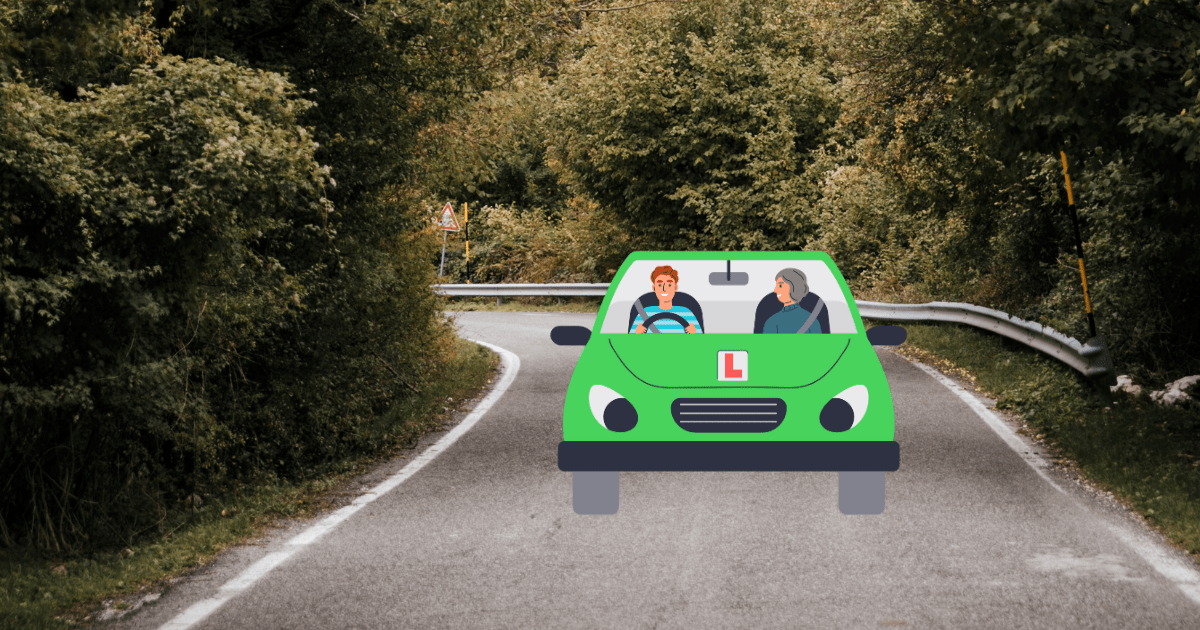
When the learner is driving, the car must have L plates on the front and rear.
If you’re insuring your own car:
• You’ll typically need to be the registered owner and keeper.
• Some learner policies may be the only insurance on the car, while others sit alongside an existing policy.
If you’re practising in someone else’s car:
• The vehicle will usually need to be insured by the owner with their own policy.
• Usually the learner driver policy applies when the learner is driving, and the owners policy applies when they’re driving.
Some insurers may not be able to cover higher-risk, or high performance vehicles.
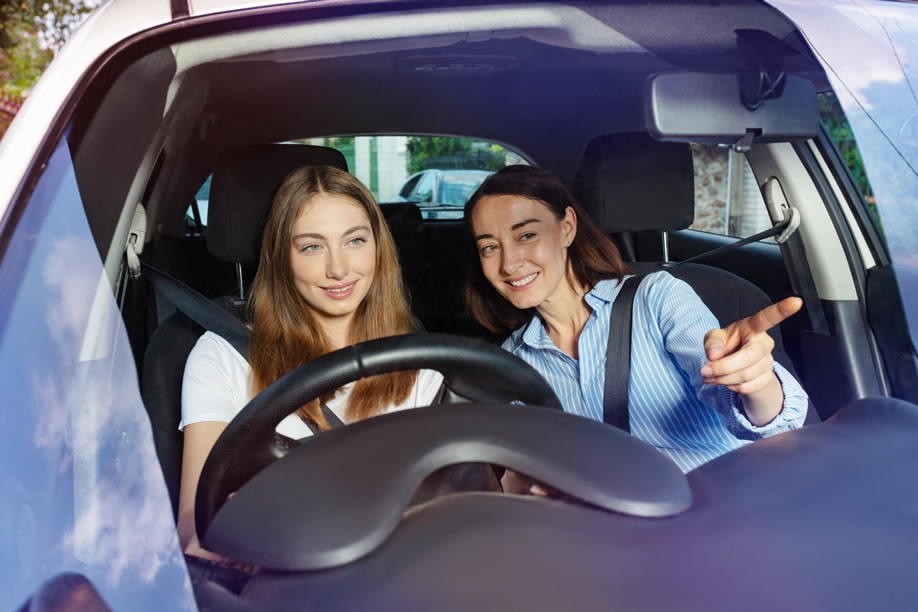
A supervising driver must sit in the front passenger seat at all times while the learner is driving.
In most cases, the supervising driver will need to:
• Be at least 21 years old
• Hold a driving licence for the type of vehicle being used (e.g. manual licence if supervising in a manual car)
• Have held that full licence for at least 3 years from the UK, EU, Switzerland, Norway, Iceland or Liechtenstein
While supervising, they must not use a mobile phone or similar device, and should be fit and able to take control of the vehicle in an emergency.
If you’d like to know more about supervising a learner driver, our blog at the link below goes into more detail.
There are also other things that insurers take into account when deciding if they can offer you cover and at what price.
For example, where you live and the insurance group of the car can both affect how an insurer assesses risk. Because eligibility criteria can change over time and vary between insurers, you’ll usually need to complete a full quote to confirm whether cover can be offered.
Learner driver insurance typically can’t be used to release a vehicle from a police compound.
Image of car driving on road through fields
Animation of woman in front of car
What you need to set up learner driver insurance
To set up learner driver insurance, it’s helpful to have a few details about yourself and the car ready.
You’ll normally need:
• Your provisional driving licence number.
• Your personal details (name, date of birth and address)
• The vehicle registration number
• Any additional driver information, if they’re being added to the policy
Once your learner driver insurance is active, you’ll be able to view your policy documents, including the terms and conditions. These explain how your cover works and what’s required to keep the policy valid.
You can start practising from the policy start date and time. When you do, make sure:
• L Plates are displayed on the front and rear of the vehicle
• A qualifying supervising driver is in the front passenger seat
With a Collingwood learner driver policy, there are no curfews, so you can practise at any time. It is also vital to remember that provisional licence holders are not permitted to drive on motorways unless they’re accompanied by a qualified driving instructor in a dual-controlled car.
Once you pass your driving test, you’re no longer a learner driver, and your learner driver insurance will no longer legally cover you.
If you take your test in a car that’s insured with a learner driver policy, you won’t be permitted to drive it home, because the policy will no longer provide cover for you as a full licence holder if you pass. If you fail you will not be in the right mindset for driving. This means your supervising driver, or driving instructor, will need to drive the car home.
As you’ll no longer be a learner driver your learner driver policy will need to be cancelled.
Frequently asked questions about learner driver insurance
In most cases, you can add a learner to your insurance. It does depends on the specifics of your insurance policy and you would have to contact your insurer to check.
However, it can risk your No Claims Bonus if the learner has an accident. With Learner Driver Insurance, the learner has their own policy so if they have an accident it will be covered by their policy if they are driving which will not impact your no claims.
When your learner policy ends or is cancelled, if you have 10 full months of uninterrupted claim free cover you will be sent a No Claims letter.* This can then be passed on to your new insurer who may offer discounts on your new policy.**
*Terms, conditions and underwriting criteria apply
**We do not have information for all insurers so we cannot guarantee that they will accept the accelerated no claims. It is always worth letting them know to see if you can get a discount though.
Yes, you can. All Collingwood learner driver insurance policies can cover 17-year-old learner drivers providing they meet underwriting criteria.
You can cover more than one vehicle, but you will need to purchase a separate policy for each vehicle. Log in to your existing online account and click ‘New Quote’ to begin the process.
Yes. You will need to take your learner insurance policy documents with you and ensure the car meets the requirements set by the government. You can read the requirements here https://www.gov.uk/driving-test/using-your-own-car
Please note that once you sit your test, your supervising driver must drive you home after the test, regardless of whether you pass or fail. If you pass, remember to contact us to cancel your policy.
Each learner driver is required to hold their own insurance policy. If multiple learners want to use the same car this can be done but each learner will need their own policy.
Learner driver insurance quotes will differ depending on a range of factors, including the type and age of the vehicle and age and locations of the learner. We have short-term and annual policies giving you flexible options for your insurance along with different payment methods! Making insurance affordable for learners on a wide range of budgets.