Home / Blogs / How to Navigate Bus Lanes as a Taxi Driver
How to Navigate Bus Lanes as a Taxi Driver
Share :
Bus lanes are one of the most misunderstood parts of the UK road network for all road users and especially for taxi drivers. Rules can vary by location, signage can be easy to miss, and the penalties for getting it wrong can be costly.
In this guide, we will explain how bus lanes work in the UK, when taxi drivers can use them, and how to avoid fines while operating legally and efficiently. Whether you are a licensed hackney carriage driver or operate a private hire vehicle, understanding the rules around driving in bus lanes is essential for road safety and to avoid receiving penalties.
The short answer is sometimes, but it depends on the vehicle and the local authority.
Hackney Carriages vs Private Hire Vehicles
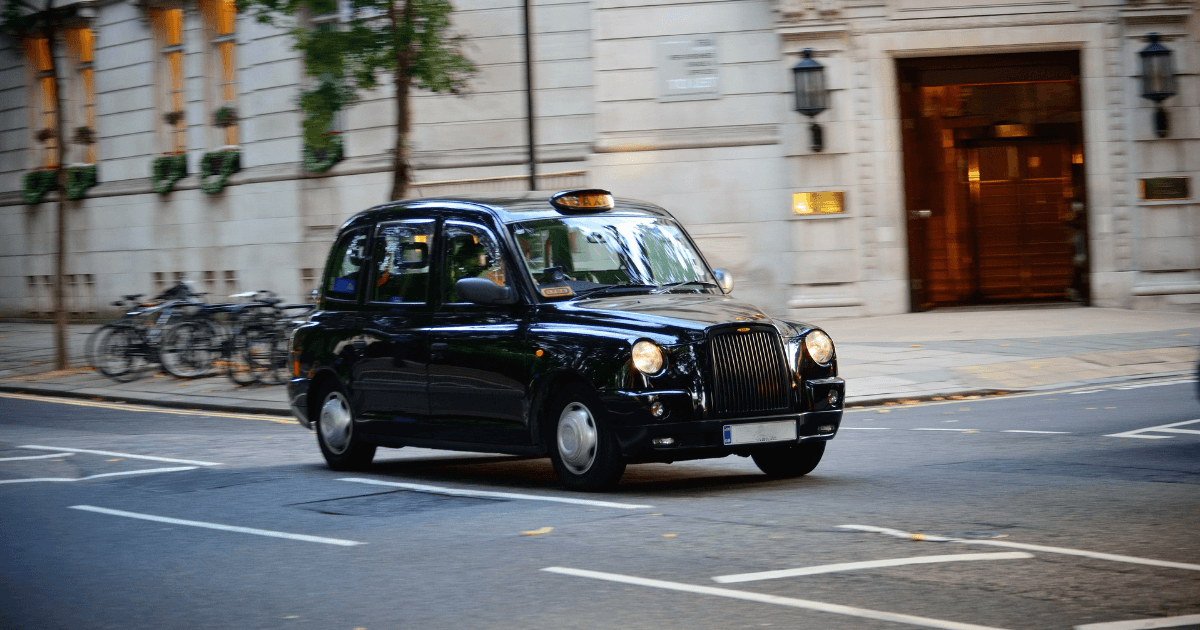
Local councils set their own rules for bus lane access for taxi drivers, however rules can often differ depending on the taxi licensing. In many UK towns and cities:
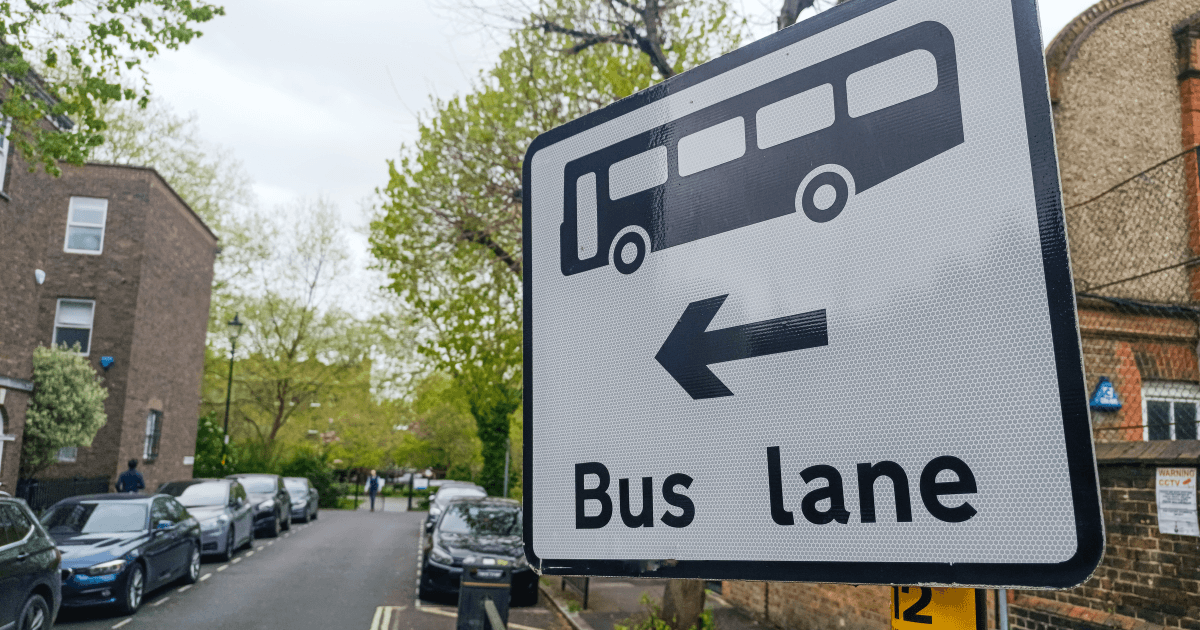
Knowing whether taxis can go in bus lanes starts with understanding the signage.
A standard blue bus lane sign will display:
The vehicles allowed (e.g. local buses, taxis, cycles)
The operational times
If the word “taxi” or a taxi symbol is shown, licensed hackney carriages may use the lane during those hours. If taxis are not listed, access is not permitted.
Key tip for taxi drivers:
Never rely on rules from another town or city. Bus lane permissions do not carry over between council areas, even within the same county.
Driving Through Bus Lanes for Taxi Drivers: What’s Allowed?
Even where taxis are permitted, usage is restricted.
Taxi drivers can usually:
Enter a bus lane to turn left
Briefly cross a bus lane to access premises
Use the lane outside its hours of operation
Taxi drivers should not:
Drive in an operational bus lane without permission
Overtake traffic using a bus lane unless authorised
Assume private hire vehicles have the same rights as hackney carriages
Look for signage on every route, particularly new routes you have not driven before
Be cautious when driving in unfamiliar towns
Do not rely solely on sat nav routing through bus lanes
Understanding bus lanes for taxi drivers is as much about local knowledge as it is about road awareness.
Need Taxi Insurance?
Driving a taxi comes with its own set of challenges. Make sure your taxi insurance cover keeps you protected on the road. Collingwood Insurance offers flexible short-term and annual taxi insurance, giving you peace of mind whether you’re working full-time or part-time.
Conclusion
So, can taxi drivers drive in bus lanes? Sometimes, but only when signage and local rules allow it. With permissions varying across the UK, taxi drivers must stay informed to avoid unnecessary penalties.
By learning how to read signs correctly, understanding the difference between hackney carriages and private hire vehicles, and checking local authority guidance, drivers can navigate bus lanes safely and legally, while keeping their livelihood protected.
FAQs
Frequently asked questions about bus lanes
Yes. Each local authority sets its own bus lane permissions under Traffic Regulation Orders, so rules can vary widely.
Only if the bus lane is not operational at that time, or if signage explicitly permits taxis 24/7.
In most areas, no, unless signage specifically includes private hire vehicles, which is rare.
Generally no, unless the lane is outside operational hours or stopping is explicitly permitted.
Council transport websites and local licensing authorities often provide the most accurate and up-to-date guidance.