Home / Blogs / What you need to know before letting your child practise in your car
What you need to know before letting your child practise in your car
Share :
For parents and guardians, their child/dependent practising driving in their car can feel like a practical and affordable way to help a learner gain valuable experience outside of professional driving lessons. However, before letting your child practise in your car, there are several legal, insurance and safety considerations to understand.
Private driving practice can help learner drivers build confidence, improve their road awareness and become more comfortable behind the wheel in different driving conditions. That said, it’s important to make sure the supervising driver and the learner are meeting all legal requirements before heading out on the road.
Professional driving lessons are a great way to get test ready, but additional practice in a familiar car can help reinforce what a learner has already been taught, as well as being more convenient, affordable and readily available. For many new and inexperienced drivers, extra time behind the wheel can help to improve confidence and help them become more comfortable with everyday driving situations.
Private practice can also expose learners to:
Different road types and driving environments
Real-world traffic conditions
Night driving
Rural and dual carriageway driving
Parking and manoeuvring practice
Driving in poor weather conditions
For parents and guardians, it can also be a useful opportunity to better understand how their child is progressing before their practical driving test.
Can my child practise driving in my car?
Yes, your child can practise driving in your car, provided certain legal requirements are met.
Before letting your child practise in your car, make sure:
Requirement
Details
The learner has a provisional licence
They must legally hold a valid UK provisional driving licence.
L-plates (or D-plates in Wales) must be clearly visible on the front and rear of the car.
Failing to meet these requirements could result in fines, penalty points or invalid insurance.
Learner driver insurance explained
One of the most important things to check before your child is practising in your car is that they have insurance cover. A learner driver cannot legally drive your car without insurance, even if you are supervising them.
There are generally two options available:
Learner driver insurance
Specialist learner driver insurance policies are designed specifically for provisional licence holders practising in someone else’s car.
Benefits can include:
Separate policy protection
No impact on the car owner’s no claims bonus if the learner has an accident
Flexible temporary or longer-term cover
Cover specifically designed for learner drivers
Adding a learner to your existing policy
Some insurers may allow you to add your learner driver onto your existing car insurance policy as a named driver while they learn.
However, this can sometimes:
Increase your premium
Affect your no claims discount if a claim is made
Offer less flexibility
It is always important to check exactly what your insurer covers before allowing any learner driver to use your vehicle.
Have held a full UK driving licence for at least 3 years
Be qualified to drive the same transmission type of vehicle being used
Remain fit and able to supervise throughout the journey
For example, if the learner is practising in a manual car, the supervising driver must hold a full manual licence. Supervisors should also avoid distractions while supervising a learner. Supervising drivers cannot use mobile phones or electronic devices.
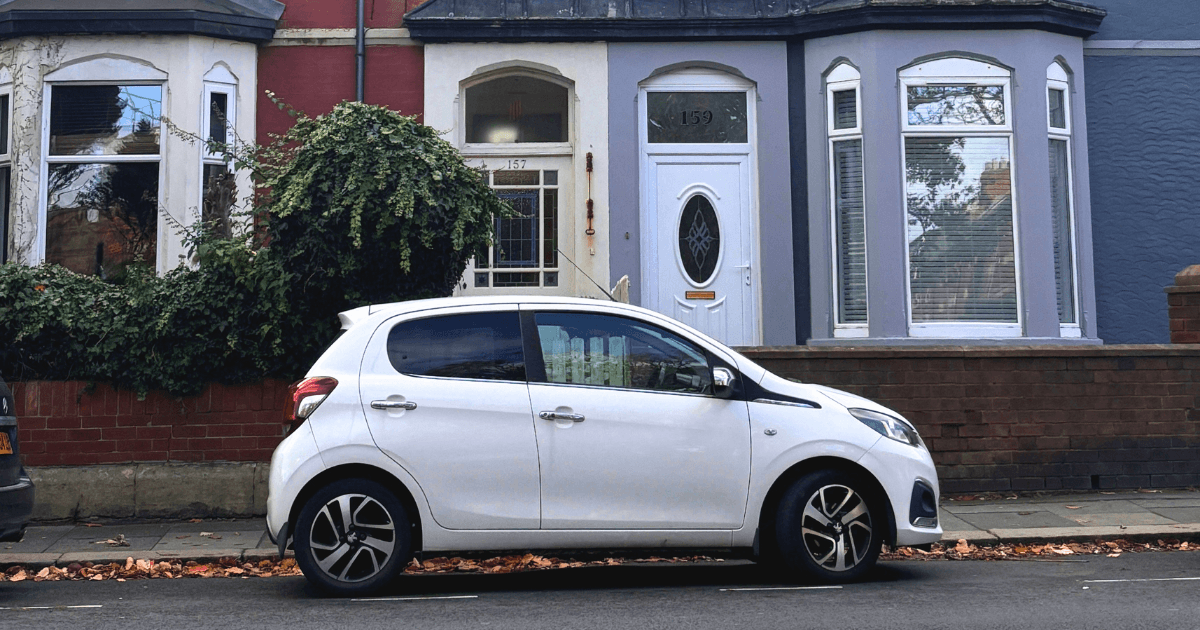
Not every vehicle is ideal for private driving practice. Before allowing your child or dependent to learn in your car, consider whether the vehicle is:
Larger or more powerful vehicles can sometimes feel intimidating for inexperienced drivers. Parents and guardians may find smaller cars easier for learners to handle during early lessons.
You should also ensure:
The car has a valid MOT if required
Vehicle tax is up to date
The car is roadworthy at all times
Tips for safe private driving practice
Private practice often works best when it complements professional lessons, rather than replacing them. Here are some useful ways parents and guardians can support learner drivers safely and effectively:
Start simple
Begin in quieter areas with less traffic before progressing onto busier roads, roundabouts or dual carriageways.
Practise regularly
Short, consistent practice sessions are often more effective than long, stressful drives.
Avoid information overload
Too much instruction at once can overwhelm inexperienced drivers. Give calm, clear directions where possible.
Encourage independent thinking
Ask the learner questions such as:
“What speed limit is this road?”
“What hazards can you see ahead?”
“What lane do you need here?”
This can help build road awareness and decision-making skills.
Drive in different conditions
Once confidence improves, practise driving:
At night
During heavier traffic
On unfamiliar roads
This can help learners gain broader experience before their driving test.
Common mistakes parents make when supervising learner drivers
Even with good intentions, some parents and guardians may accidentally create bad habits or stressful learning environments.
Common mistakes include:
Giving instructions too late
Panicking during mistakes
Contradicting professional driving instructors
Practising difficult routes too early
Overloading learners with too much feedback
Consistency between professional lessons and private practice is usually the most effective approach for learner drivers.
Helping your child build confidence before their driving test
Private practice is not just about learning vehicle control. It can also help learner drivers build confidence and develop safe driving habits before taking their practical test.
Some useful areas to focus on include:
Roundabouts
Parking manoeuvres
Independent driving
Dual carriageways
Meeting situations on narrow roads
Speed awareness
Hazard perception
Parents and guardians can play a valuable role by helping learners gain experience in a supportive and low-pressure environment. When combined with professional instruction, private driving practice can help learner drivers to feel more prepared for both their driving test and everyday driving after they pass.
Offers and more direct to your inbox!
Sign up today for exclusive offers, practical guidance, driving tips, and more!
Conclusion
Letting your child practise in your car can be a great way to support their learning and help them gain valuable driving experience outside of formal lessons. However, before allowing any learner driver onto the road, it is essential to make sure all legal, insurance and vehicle requirements are met.
Parents and guardians should check that the learner is properly insured, the supervising driver meets the legal criteria, L plates (or D plates in Wales) are displayed and the car is fully road legal. Creating a calm and supportive practice environment can also help learner drivers build confidence safely over time. With the right preparation and supervision, private driving practice can become an important part of helping learners prepare for independent driving in the future.
FAQs
Commonly asked questions about practicing driving with your child
Yes, learner drivers can practise on motorways in England, Scotland and Wales, but only if they are:
• With an approved driving instructor (ADI)
• Driving a car fitted with dual controls
Learners cannot practise on motorways with parents or guardians in a standard car.
Yes, learner drivers can carry passengers while practising in a private car, provided the vehicle is not overloaded and all passengers wear seatbelts. However, too many passengers can sometimes distract inexperienced drivers during practice sessions.
Yes, learner drivers are allowed to practise driving at night if they are insured and supervised correctly. Night driving practice can help learners become more confident with visibility, headlights and changing road conditions.