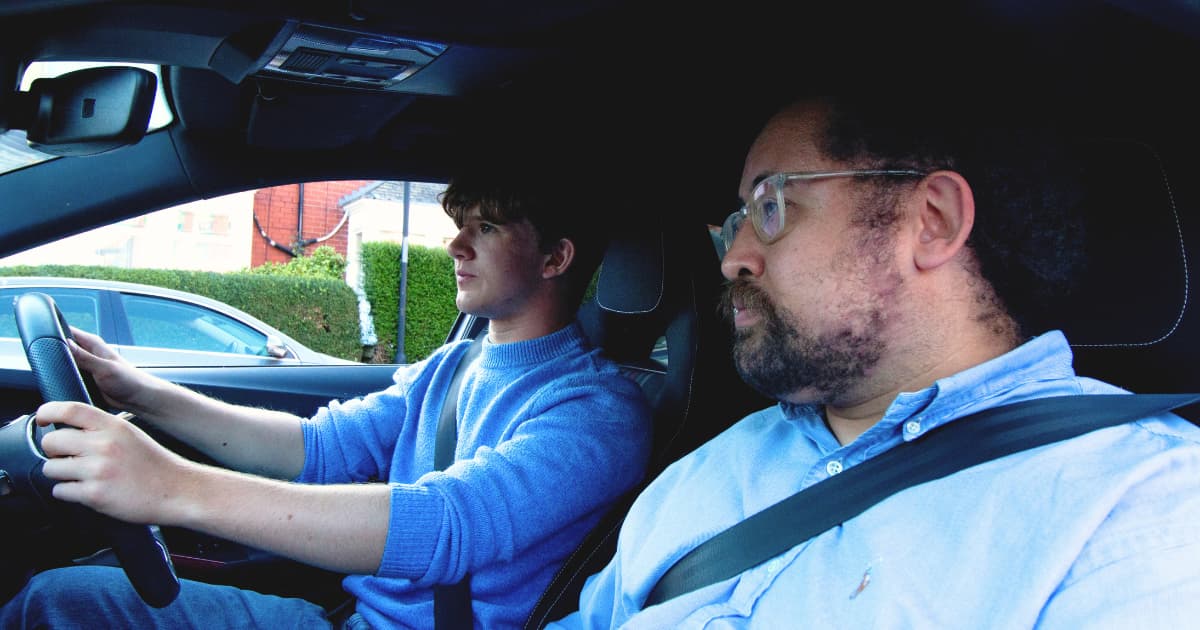
There are many reasons to consider a professional driving instructor when learning to drive, here are just a few.
1. Insurance is Covered
Although many people may wince at the cost of driving lessons, it is important to remember that driving insurance for the duration of the lesson is included in the price. When you are learning to drive whilst inside an instructor’s car, you are insured – this means you don’t need to take out a separate policy when in their vehicle. If you choose to learn in your own vehicle with a friend or family member, you will need to take out your own learner driver insurance policy.
They can also support with hill starts and clutch control if you are learning in a manual car, by manipulating some of the pedals for you. This means you can focus on exactly what you need whilst learning a technique. It also means if you develop a bad habit such as riding the clutch, they can spot this early as they will see the pedals moving from their own side. Although it might be frustrating to be caught out, it is important that they help you stop any bad habits early, as they could cost you in the long run.
If you choose to learn in your own car without an instructor, you will be the sole driver in control of the vehicle. When you first start to learn to drive, you may not be as alert to hazards as you will be focusing on controlling the vehicle. If your reaction times are slow, your supervising driver may not be able to step in and prevent an accident the way an instructor could. It is advised that you wait until you are confident behind the wheel before you go out and practise without dual controls.
3. Experienced Drivers Are Not Always Good Teachers
Just because someone is an experienced driver, does not mean that they are a good teacher. It may feel all too tempting to learn to drive from scratch with a family member or friend, but everyone knows the cliché of a parent white knuckling and shouting whilst in the passenger seat. Whether it leads to tension between the mentor and learner, or you start to learn bad habits, there are drawbacks to learning with someone you know. Licensed driving instructors are trained to teach patiently and impartially and will have many different techniques tailored to different learning styles. If you don’t just instantly ‘get’ something when learning to drive, driving instructors are able to explain things in ways that an experienced driver may struggle to put into words.
Requirements For Taking Driving Lessons or Practice in Your Own Car
If you choose to practice or learn how to drive with a family member or a friend, you will need to adhere to the DVSA requirements. By choosing to learn to drive without a qualified instructor, you will need to ensure both your chosen mentor and your vehicle are appropriate.
To meet the criteria to supervise a learner, you must:
be at least 21 years old
be qualified to drive the type of vehicle they’re driving – for example, you must have a manual car licence if you’re supervising someone in a manual car
hold a full valid driving licence for at least 3 years (from the UK, the EU, Switzerland, Norway, Iceland or Liechtenstein)
not be currently banned from driving
To learn to drive in your own vehicle, you must also meet a set of criteria.
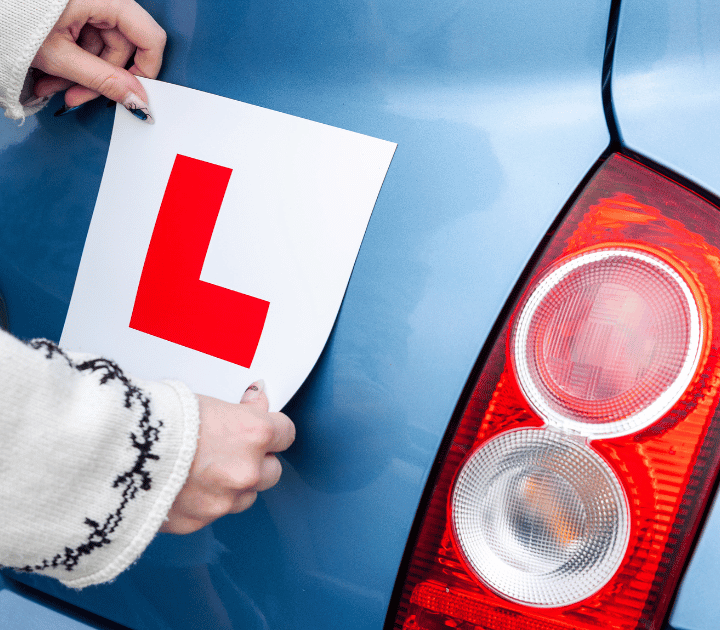
remove or cover the L (or D) plates when the car is being driven by anyone with a full driving licence
fit an extra rear-view mirror so the supervising driver can see behind the car during the practice session
Do You Need Learner Driver Insurance to Practice in Your Own Car?
Before you can start driving in your own car, check you have the correct insurance.
If you only do lessons in a licensed instructor’s car, you do not need driving insurance as the instructor’s policy will cover both of you, and their vehicle.
If you choose to learn in your own vehicle, or take your test in your own vehicle, you will need valid learner driver insurance. You can choose to take out your own policy or be added onto an experienced drivers existing policy (for example, your parent’s policy). There are a range of options available, including both short term insurance and long term insurance, depending on how long you plan to be a learner driver.
There are no rules for rear windows, but your test may be cancelled if they are too dark for the examiner to see clearly.
Hire cars
You can take your test in a hire car if it’s fitted with dual controls and meets all the other rules.
Cars you cannot use
Some cars cannot be used in the test because they do not give the examiner all-round vision.
You cannot use the following:
any panel van (cars without rear seats or rear side windows)
BMW 218 convertible
BMW Mini convertible
Ford KA convertible
Polestar 4
Polestar 5
Smart Fortwo (2-door)
Toyota iQ
VW Beetle convertible
There might be other cars that you cannot use. This is because not every model has been used in a test before, and some may not give the examiner all-round vision.
What should you know before teaching a learner driver?
If you are using private practice to supplement driving lessons with an instructor, it is a good idea to speak to the instructor. They will be able to tell you what techniques and routes would be most useful to practice. For example, if they know a student struggles with parallel parking, this would be a great thing to practice together.
Can you sit your driving test without any lessons at all?
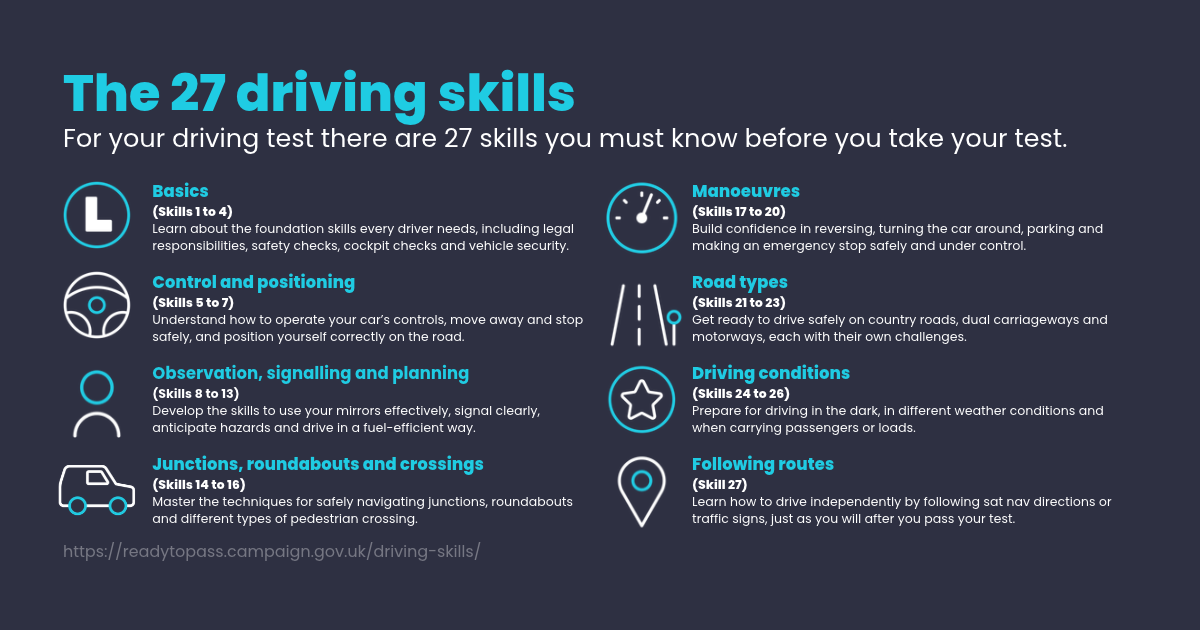
Although the DVSA recommends around 45 hours of lessons and 22 hours of practice before your test, there are no legal requirements, so it is possible to sit your driving test with no lessons at all. You will of course be upheld to the same standards and required to pass both a theory test and practical driving test, so it is still recommended that you practice both elements in order to safely pass and independently drive.
Conclusion
In conclusion, the DVSA does not require a learner to take any paid driving lessons with a licensed instructor in order to learn to drive, however it is still strongly recommended for many reasons. This includes enhanced safety due to dual controls, instructors are trained to teach in many learning styles and thoroughly understand driving skills and test requirements, and insurance is covered whilst in a licensed instructor’s vehicle.
Offers and more direct to your inbox!
Sign up today for exclusive offers, practical guidance, driving tips, and more!
FAQ’s
Commonly asked questions about driving lesson requirements and taking your test without any formal driving lessons
Yes, as long as your car meets the criteria required by the DVSA., but you will need to be insured on it with appropriate learner driver insurance and your supervising driver will also need insurance on your vehicle (you may be able to add them as an additional driver on your policy) so they can take control of the car during lessons if necessary.
The DVSA recommends around 45 hours of driving lessons plus 22 additional hours of private practice before booking your driving test. According to the DVSA ’Ready To Pass’ campaign, learners who have at least 100 hours of combined lessons and practice make much safer drivers once they have passed their test. The research went on to state that those who combine driving lessons with private practice are 50% more likely to pass their practical driving test.