Home / Blogs / City centre driving tips for taxi drivers
City centre driving tips for taxi drivers
Share :
Driving in a city centre is a completely different experience compared to suburban or rural roads. For taxi drivers, it’s often unavoidable as city centres are where demand can be highest, fares are frequent, and passengers rely heavily on professional drivers to navigate complex road systems efficiently. However, with that opportunity comes a unique set of challenges, from congested streets and one-way systems to bus lanes, pedestrians, and constant roadworks.
In this guide we’ll explore practical, experience-led advice to help with driving in city centres for taxi drivers, covering everything from planning your route to safely navigating busy environments. We’ll also highlight key considerations like public transport interactions, road restrictions, and how to stay compliant with regulations while maintaining a smooth passenger experience.
What do we mean by city centre driving?
City centre driving refers to operating a vehicle within densely populated urban areas, typically characterised by heavy traffic, restricted road layouts, frequent junctions, and high pedestrian activity. For taxi drivers, this often means working in environments where:
Roads are narrower and more complex
Traffic flow changes frequently
There are dedicated lanes for buses, taxis, and emergency vehicles
One-way systems can dominate road layouts
Passenger pick-ups and drop-offs are often time-sensitive
Unlike standard driving, driving a taxi in a city centre requires heightened awareness, strong route knowledge, and the ability to make quick, safe decisions under pressure.
Why do taxi drivers operate in city centres?
Key reasons include:
High passenger demand (stations, offices, nightlife)
Short, frequent fares that maximise turnover
Accessibility to transport hubs like train stations and airports
Increased opportunities during peak hours and events
Taxis often have more access than private vehicles in city centres however restrictions such as clean air zones, pedestrianised streets, and timed access routes must always be considered.
Key Challenges of City Centre Driving
Challenge
Why It Matters for Taxi Drivers
Congestion
Impacts journey time and fuel efficiency
One-way systems
Requires strong route planning and local knowledge
Bus and taxi lanes
Misuse can lead to fines
Pedestrian traffic
Increased risk, especially in busy areas
Roadworks and diversions
Frequent changes disrupt familiar routes
Public transport interaction
Buses, trams, and cyclists add complexity
What Taxi Drivers Need to Consider
Before diving into practical tips, it’s important to understand the broader factors that affect driving in city centres for taxi drivers:
Local regulations: Not all routes are accessible at all times
Vehicle restrictions: Emission zones and licensing rules
Passenger expectations: Efficient, safe, and comfortable journeys
Time management: Delays can impact earnings and ratings
Practical City Centre Driving Tips for Taxi Drivers
Master One-Way Systems and Route Planning
Taxi drivers understanding one way systems is essential in any city centre. While sat-navs can be useful for navigating unfamiliar routes, they should not be relied on entirely, especially in busy urban areas where temporary restrictions and diversions can change quickly. Taking the time to learn key routes, common restrictions, and alternative roads can help reduce delays and avoid unnecessary stress during busy periods. Staying aware of road closures, events, and ongoing roadworks can also improve journey efficiency and create a smoother experience for passengers.
Use Bus and Taxi Lanes Correctly
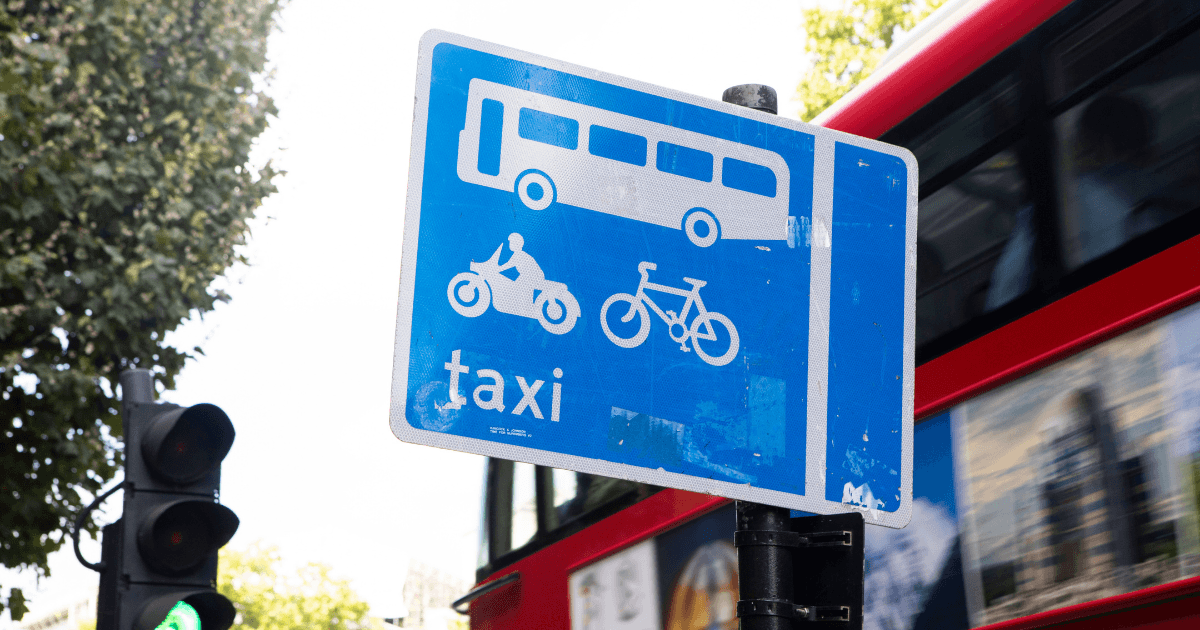
Bus lanes can be a major advantage for taxi drivers, but only when used legally. Different cities, and even different roads within the same city can have varying rules regarding taxi access, so checking road signage carefully is important as not all bus lanes permit taxis. Taxi drivers should also pay attention to operating hours, as some lanes are only restricted during peak traffic periods. Accidentally entering a restricted bus lane can result in fines and penalty points, making it essential to stay alert and informed while driving in city centres.
Stay Alert in High Pedestrian Zones
City centres are often crowded with pedestrians, particularly around shopping areas, train stations, restaurants, and nightlife districts. This means taxi drivers need to remain constantly aware of their surroundings and anticipate sudden movements from pedestrians crossing roads unexpectedly. Reducing speed in heavily populated areas and checking mirrors regularly can help improve reaction times and minimise risk. Maintaining patience and concentration is particularly important during evenings and weekends when foot traffic tends to increase significantly.
Adapt to Public Transport Traffic
Driving alongside buses, trams, cyclists, and delivery vehicles requires patience and awareness. Public transport vehicles make frequent stops and may pull out unexpectedly, so leaving adequate space is essential. Taxi drivers should also remain cautious around cyclists, especially when turning or changing lanes in congested traffic. In cities with tram systems, extra care should be taken around tramlines, particularly during wet weather when surfaces can become slippery. Successfully managing these different transport systems is a key part of driving a taxi in a city centre safely and efficiently.
Manage Roadworks and Diversions
Roadworks are a common feature of city centre driving and can quickly disrupt familiar routes. Checking local traffic updates before starting a shift can help taxi drivers prepare for delays and identify alternative roads in advance. Many drivers also rely on live traffic apps or local radio updates to stay informed throughout the day. Allowing extra time for journeys during periods of disruption can help reduce pressure and ensure passengers still receive a reliable service despite changing road conditions.
Prioritise Safe Pick-Ups and Drop-Offs
Passenger safety should always remain a priority, especially in busy urban environments where stopping opportunities can be limited. Taxi drivers should avoid pulling over in dangerous or restricted areas, even if passengers request it, and instead use designated taxi ranks or safe stopping points where possible. Clear communication with passengers about suitable pick-up and drop-off locations can help avoid confusion and improve safety for everyone involved. Maintaining a professional and considerate approach can also contribute towards positive reviews and repeat customers.
Additional Best Practices for Taxi Drivers
Successful city centre taxi driving is not just about navigation skills as professionalism and awareness also play a major role. Keeping a vehicle clean and presentable helps create a positive impression for passengers, while remaining calm under pressure can make busy traffic situations easier to manage. Taxi drivers should also stay aware of their surroundings at all times and regularly review local driving regulations to ensure they remain compliant with any changes affecting city centre roads or taxi access rules.
Need Taxi Insurance?
Driving a taxi comes with its own set of challenges. Make sure your taxi insurance cover keeps you protected on the road. Collingwood Insurance offers flexible short-term and annual taxi insurance, giving you peace of mind whether you’re working full-time or part-time.
Conclusion
City centre driving presents both opportunities and challenges for taxi drivers. While the demand for fares is high, so is the complexity of navigating busy, ever-changing urban environments. By understanding key elements such as one-way systems, bus lanes, pedestrian safety, and roadworks, taxi drivers can operate more efficiently and safely.
FAQs
Frequently asked questions taxis driving in city centres
Not always. While taxis often have more access than private vehicles, restrictions such as pedestrian zones, emission zones, and timed road closures may still apply depending on the city.
Planning ahead is key. Using live traffic updates, knowing alternative routes, and avoiding peak congestion times where possible can help minimise delays.
Managing multiple risks at once such as traffic, pedestrians, road restrictions, and time pressure is one of the biggest challenges taxi drivers face in urban areas.
Gaining experience, learning local routes, staying updated on regulations, and practising defensive driving techniques are all effective ways to improve.